TL;DR: industrial pipe freezing lets facilities teams isolate sections of a heating system without draining or shutting down the entire network. For universities preparing for winter demand, SealTec’s pipe freezing Glassboro NJ services make it possible to perform maintenance or repairs on heating lines without disrupting campus operations.
Key Takeaways
- Industrial pipe freezing allows maintenance crews to work on isolated sections of heating lines without draining the whole system.
- Universities benefit from this method because it minimizes downtime and keeps dorms, labs, and classrooms heated during colder months.
- SealTec’s pipe freezing Glassboro NJ team specializes in pre-winter maintenance for campus heating infrastructure, helping facilities teams avoid emergency repairs when demand peaks.
University campuses run on tight schedules. Between classes, research labs, and residence halls, there’s rarely a convenient time to shut down heating systems for maintenance. Yet every fall, facilities teams face the same challenge: heating lines need inspection, repair, or modification before winter demand spikes — and traditional shutoff methods often mean draining entire systems, which can take days and disrupt campus life.
This is where industrial pipe freezing comes in. Rather than draining a system or installing temporary valves, pipe freezing creates a solid ice plug within a section of pipe, effectively isolating that segment so work can happen safely. For universities with sprawling, decades-old heating infrastructure, this approach can be the difference between a controlled maintenance window and an unplanned outage in the middle of January.
SealTec has worked with facilities managers across the region to apply this technique ahead of peak heating season, and the results speak for themselves: faster repairs, less disruption, and heating systems that are ready when temperatures drop.
What Is Industrial Pipe Freezing, and Why Does It Matter for Campus Heating?
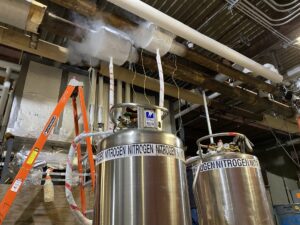
Industrial pipe freezing is a technique that uses liquid nitrogen or a refrigerant-based freezing jacket to form an ice plug inside a pipe. This plug acts like a temporary valve, blocking the flow of liquid through that section without the need to drain, cut, or depressurize the entire system.
For university heating networks — which often span multiple buildings, decades-old boiler rooms, and miles of underground piping — this matters because:
- Downtime is minimized. Instead of shutting down heat to an entire building or campus zone, crews can isolate just the section that needs work.
- Costs stay lower. Draining and refilling a large heating system wastes water, chemicals, and labor hours. Freezing a section avoids all of that.
- Scheduling becomes flexible. Maintenance can happen during off-peak hours without coordinating a full system shutdown.
Choose industrial pipe freezing if your facilities team needs to isolate a specific section of a heating line without a full system drain. This method is particularly valuable when the maintenance window is short or when draining the system isn’t practical due to the scale of the network.
Why Should Universities Address Heating Lines Before Winter Demand Peaks?
Heating demand on a university campus doesn’t ramp up gradually. It spikes as soon as temperatures drop and students return from winter break, dormitories fill, and heating systems run at near-constant capacity. If a valve fails or a line needs repair during that peak period, facilities teams are left scrambling — often with students, faculty, and staff directly affected by the disruption.
Addressing heating line maintenance before winter demand peaks gives facilities teams a critical advantage: the ability to plan repairs on their own timeline, rather than reacting to an emergency.
A few reasons pre-winter maintenance makes sense:
- Older valves and joints are more likely to fail under sustained heavy use. Testing and repairing these components in the fall reduces risk during peak winter months.
- Labor and equipment availability is often better before the winter rush. Scheduling maintenance in September or October avoids the bottleneck that hits contractors once cold weather sets in.
- Early detection prevents larger failures. A small leak or worn valve caught in the fall is far easier — and cheaper — to fix than a burst pipe in January.
How Does SealTec’s Pipe Freezing Process Work on Campus Heating Systems?
SealTec’s approach to pipe freezing Glassboro NJ services follows a structured process designed to minimize disruption to campus operations:
- Site assessment. SealTec’s team evaluates the heating line layout, pipe material, and location to determine the best freezing method for the job.
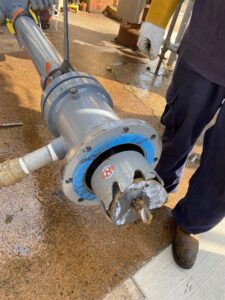
- Freeze jacket installation. A freezing jacket is placed around the target section of pipe, and liquid nitrogen or another refrigerant is applied to bring the pipe’s contents down to freezing temperature.
- Ice plug formation. Within a set timeframe — typically ranging from 20 minutes to a few hours, depending on pipe diameter and material — a solid ice plug forms, isolating the section.
- Maintenance or repair work. With the section isolated, crews can safely cut into the line, replace valves, or perform other repairs without water loss or system depressurization.
- Thaw and system restoration. Once work is complete, the ice plug is allowed to thaw naturally or with assisted heating, and the system returns to normal operation.
This process is especially useful for university facilities teams working with limited shutdown windows, since it avoids the extended downtime associated with full system drains.
What Should Facilities Managers Look for When Choosing a Pipe Freezing Provider?
Not all pipe freezing services are built the same. When evaluating a provider for campus heating line work, facilities managers should consider:
- Experience with large-scale or institutional systems. University heating networks are more complex than residential or small commercial systems, so look for a provider with relevant experience.
- Safety protocols. Pipe freezing involves extreme temperatures and specialized equipment. A reputable provider will have clear safety procedures in place.
- Response time and flexibility. Choose a provider that can work around campus schedules, including early morning or overnight windows when building occupancy is lower.
- Proven track record in your region. Local expertise matters. SealTec’s familiarity with pipe freezing Glassboro NJ infrastructure and regional climate conditions means fewer surprises during the job.
Preparing Your Campus Heating System for Winter
Winter doesn’t wait for maintenance schedules to catch up. The universities that handle heating line repairs before demand peaks are the ones that avoid mid-season emergencies, costly downtime, and frustrated students stuck in cold dorm rooms.
Industrial pipe freezing gives facilities teams a practical, efficient way to isolate and repair heating lines without draining entire systems. If your campus has maintenance on the schedule for this fall, now is the time to act — before the first cold snap puts your heating infrastructure to the test.
SealTec’s team is ready to help facilities managers plan and execute pipe freezing projects ahead of peak winter demand. Reach out to discuss your campus heating system and get a maintenance plan in place before winter arrives.
Frequently Asked Questions
How much does industrial pipe freezing cost compared to draining a system?
Costs vary based on pipe size, location, and job complexity, but pipe freezing is often more cost-effective than a full system drain because it avoids water loss, chemical treatment costs, and extended labor hours associated with refilling and rebalancing a large heating system.
How long does a typical pipe freezing project take?
Forming an ice plug typically takes between 20 minutes and a few hours, depending on pipe diameter and material. The full project timeline, including the maintenance work itself, depends on the scope of the repair but is generally shorter than a full system shutdown.
Is pipe freezing safe for older campus infrastructure?
Yes, when performed by an experienced provider. SealTec assesses each pipe’s material and condition before beginning the freezing process to ensure the method is appropriate and won’t compromise aging infrastructure.
What are the alternatives to pipe freezing for isolating heating lines?
Alternatives include installing temporary shutoff valves or draining the entire system. Both options typically require more time, labor, and water loss compared to pipe freezing, making them less practical for time-sensitive campus projects.
Who should consider pipe freezing services?
Facilities managers at universities, hospitals, and other institutions with large, complex heating or plumbing systems should consider pipe freezing whenever a maintenance or repair project requires isolating a section of pipe without disrupting the entire network.