Quick answer: Winter cold snaps stress pharmaceutical process piping through thermal contraction, freeze-thaw cycling, and brittle gasket failure, making leaks far more likely during peak production months. Catching these leaks early with industrial pipe leak sealing solutions from SealTec prevents costly shutdowns, protects product integrity, and keeps plants compliant with FDA and GMP standards.
Key Takeaways
- Cold weather accelerates pipe leaks in pharmaceutical facilities through thermal contraction, condensation, and material fatigue, especially in older steel and PVC systems.
- Early detection depends on routine pressure monitoring, visual inspection schedules, and thermal imaging during the shoulder seasons before winter hits.
- SealTec’s on-site industrial leak sealing Richmond VA services allow plants to repair active leaks without full shutdowns, minimizing downtime and production loss.
Pharmaceutical manufacturing runs on precision. Every batch depends on tightly controlled temperatures, pressures, and flow rates moving through miles of process piping. When winter arrives, that precision gets tested in ways summer operations never anticipate. Pipes contract. Gaskets stiffen. Condensation forms where it shouldn’t. And somewhere in that network of steel and PVC, a small leak can quietly grow into a six-figure shutdown.
Plant engineers and maintenance managers already know the stakes. A single unplanned outage in a pharmaceutical facility can halt active pharmaceutical ingredient (API) production, compromise batch records, and trigger regulatory scrutiny. What often goes underappreciated is how predictable winter leak risks actually are, and how much downtime can be avoided with the right inspection cadence and sealing strategy.
This post breaks down why winter conditions increase leak risk in pharmaceutical process piping, how to identify warning signs before they escalate, and what role industrial pipe leak sealing plays in keeping production lines running through the coldest months of the year.
Why Does Winter Increase the Risk of Process Piping Leaks?
Cold weather doesn’t cause leaks directly. It exposes weaknesses that were already present in a piping system. Three mechanisms are primarily responsible.
Thermal Contraction Stresses Joints and Welds
Metal piping contracts as temperatures drop, and that contraction places stress on welds, flanges, and threaded connections. In facilities with long uninsulated runs between production areas and utility rooms, this stress compounds over repeated heating and cooling cycles. A joint that held fine in August can develop a hairline gap by January.
Freeze-Thaw Cycling Degrades Gaskets and Seals
Elastomeric gaskets and seals lose flexibility in cold temperatures. As indoor heating cycles on and off, piping near exterior walls, loading docks, or unconditioned mechanical rooms experiences repeated freeze-thaw swings. Over time, this cycling causes microfractures in gasket material, creating pathways for leaks that may not be visible until pressure builds.
Condensation Accelerates Corrosion
Pharmaceutical plants often run chilled water and process lines side by side with steam or hot water systems. When warm, humid plant air meets cold pipe surfaces, condensation forms. Left unaddressed, that moisture accelerates corrosion on carbon steel lines, particularly at weld seams and support points where moisture tends to pool.
Each of these factors increases the likelihood of a leak during winter months specifically, which is why facilities that wait until a visible leak appears are already behind.
What Are the Warning Signs of a Developing Pipe Leak?
Most pipe leaks in pharmaceutical facilities don’t appear overnight. They build gradually, and the early signs are often subtle enough to miss during a routine walkthrough. Maintenance teams should watch for:
- Pressure fluctuations: Small, inconsistent pressure drops on monitoring systems, especially during overnight shifts when ambient temperatures are lowest.
- Visible frost or condensation: Localized frost patches on exterior piping runs, which can indicate a micro-leak releasing moisture or refrigerant.
- Discoloration or staining: Rust streaks, mineral deposits, or discoloration near joints and fittings.
- Unusual odors: Chemical or solvent smells near process lines, which can signal a breach even when no liquid is visible.
- Insulation damage: Wet or sagging insulation, which often hides a leak that hasn’t yet reached the exterior jacketing.
Any one of these signs warrants closer inspection. Combined, they’re a strong indicator that a section of piping needs attention before a full failure occurs.
How Can Pharmaceutical Plants Catch Leaks Before They Cause Downtime?
Prevention comes down to timing and method. Facilities that perform inspections only once a year, or only after a visible problem, are reacting instead of preventing. A more effective approach includes the following steps.
Schedule Inspections Before the First Cold Snap
The ideal window for a comprehensive piping inspection is early autumn, before sustained freezing temperatures arrive. This gives maintenance teams time to address minor issues before they’re stressed by winter conditions.
Use Thermal Imaging to Spot Hidden Weaknesses
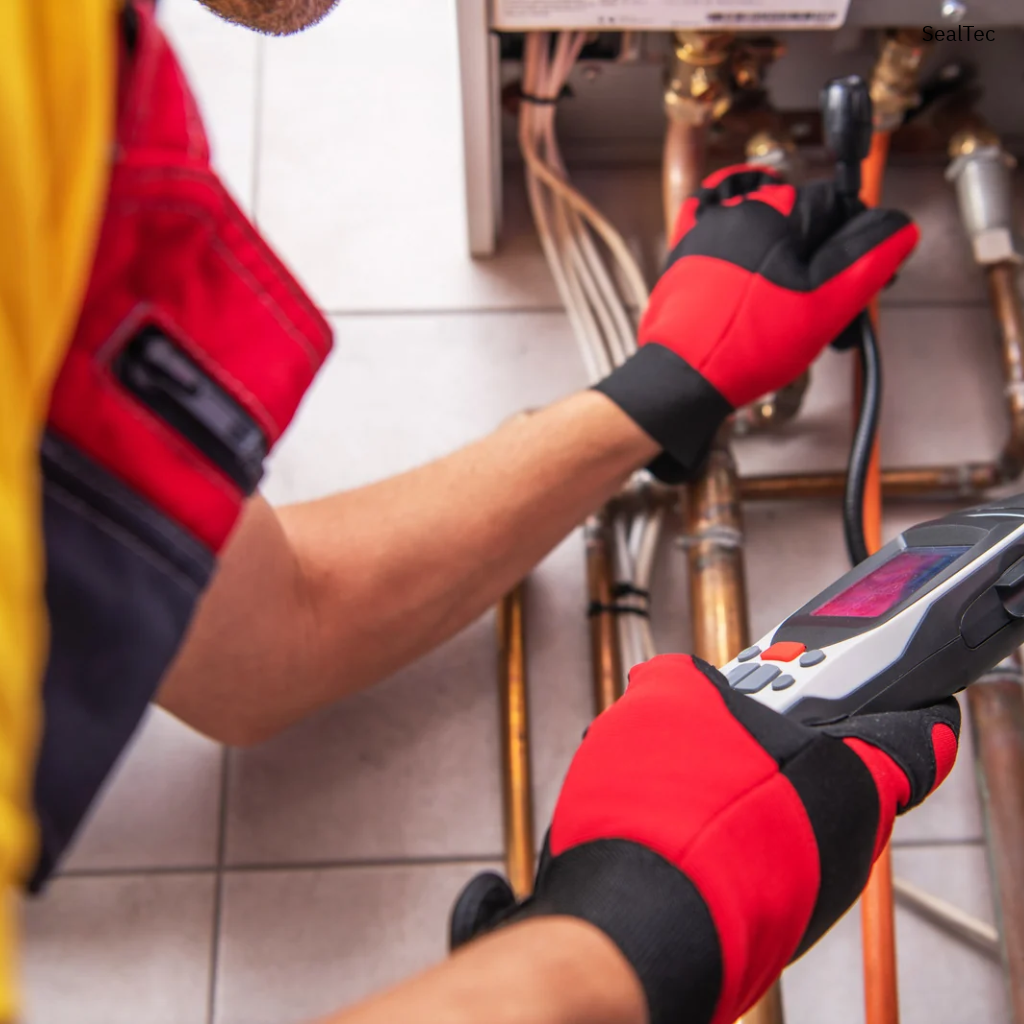
Infrared thermal imaging can detect temperature anomalies along piping runs that aren’t visible to the naked eye. Cold spots on an otherwise consistent line often point to insulation gaps or early-stage leaks that haven’t yet broken through.
Prioritize High-Risk Zones
Not every section of piping carries equal risk. Lines near exterior walls, loading docks, rooftop penetrations, and unconditioned mechanical spaces should receive more frequent attention than interior runs in climate-controlled production areas.
Partner With a Specialized Leak Sealing Provider
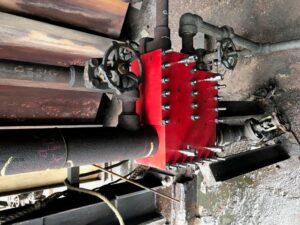
When a leak is identified, the repair method matters as much as the detection. Traditional pipe replacement often requires a full line shutdown, which can halt production for days. Industrial pipe leak sealing techniques, by contrast, allow trained technicians to seal active leaks under pressure, without draining the system or stopping production.
Choose on-site sealing when a facility can’t afford extended downtime and the leak is isolated to a joint, fitting, or small section of pipe. Choose full replacement when the piping shows widespread corrosion or structural fatigue beyond a single repair point.
Why Local Expertise Matters for Winter Leak Repairs
Pharmaceutical facilities operating in regions with harsh winters face a narrower margin for error. SealTec provides industrial leak sealing Richmond VA services specifically designed for the demands of regulated manufacturing environments, where downtime isn’t just costly but can also jeopardize batch compliance and regulatory timelines.
Technicians familiar with local climate patterns and facility layouts can respond faster and diagnose root causes more accurately than general contractors unfamiliar with pharmaceutical-grade piping standards. That familiarity translates directly into shorter repair windows and fewer repeat failures.
Keeping Production Running Through the Coldest Months
Winter will always put additional strain on pharmaceutical process piping. Thermal contraction, freeze-thaw cycling, and corrosion from condensation aren’t preventable in the way weather itself isn’t preventable. What is preventable is the downtime that results when these stresses go unmonitored.
Facilities that build inspection schedules around seasonal risk, train staff to recognize early warning signs, and partner with experienced sealing providers can catch problems while they’re still minor repairs rather than major shutdowns. SealTec works with pharmaceutical plants to identify, assess, and seal critical piping leaks before they disrupt production schedules or compromise compliance.
If your facility is heading into winter without a recent piping inspection, now is the time to schedule one. Contact SealTec to discuss industrial pipe leak sealing solutions tailored to your plant’s piping systems and production timeline.
Frequently Asked Questions
How much does industrial pipe leak sealing typically cost compared to pipe replacement?
On-site leak sealing is generally less expensive than full pipe replacement because it avoids the labor, materials, and downtime costs associated with removing and installing new piping sections. Exact pricing depends on pipe diameter, material, and leak severity, so a site assessment is the most reliable way to get an accurate estimate.
How long does an on-site leak sealing repair take?
Most isolated leak repairs can be completed within a single shift, since technicians seal the leak under pressure without draining the system. Larger or more complex repairs involving multiple joints may take longer, but still typically avoid the multi-day downtime associated with full pipe replacement.
Can leaks be sealed without shutting down production?
In many cases, yes. Pressurized sealing techniques are specifically designed to address leaks while the system remains operational, which is a major advantage for pharmaceutical plants that can’t afford to pause production for standard repair timelines.
What are the risks of ignoring a small pipe leak during winter?
A small leak left unaddressed in winter conditions is likely to worsen as freeze-thaw cycling continues to stress the surrounding material. Beyond the risk of a larger failure, ongoing leaks can also introduce contamination risk, compromise batch integrity, and trigger regulatory findings during an audit.
Who should pharmaceutical facilities call for winter piping inspections?
Facilities should work with providers who have specific experience in pharmaceutical-grade piping systems and regulatory requirements, not general industrial contractors. This ensures inspections account for GMP standards and that any repairs meet compliance expectations.