Quick answer: Scheduling pipeline bagstop services before winter production peaks helps facilities avoid unplanned downtime, protect workers from cold-weather hazards, and keep repair timelines predictable. SealTec recommends planning isolation work in early fall, when weather conditions are still mild and production schedules have more flexibility to accommodate maintenance windows.
Key Takeaways
- Scheduling pipeline isolation work before winter reduces the risk of weather-related delays and emergency repairs.
- Bagstops offer a safer, faster alternative to traditional line-stop methods for isolating sections of pipe during maintenance.
- Facilities in cold-weather regions, including those seeking bagstop services Philadelphia PA, benefit most from planning repairs during the fall shoulder season.
Winter production peaks put enormous pressure on industrial pipeline systems. Demand goes up, temperatures drop, and the margin for error on repairs shrinks fast. If a section of pipe needs isolation for maintenance once the cold sets in, facilities are often stuck choosing between delaying critical work or performing it under difficult conditions.
That’s exactly why fall exists as a planning window. The weeks before winter production peaks offer a narrow but valuable opportunity to isolate, inspect, and repair pipeline sections while conditions are still manageable. Facilities that use this window well tend to head into winter with fewer surprises and more confidence in their systems.
This post walks through why bagstops are a practical isolation method for pre-winter maintenance, what to consider when planning repair work, and how to time it so your team isn’t scrambling once temperatures drop.
What Is a Pipeline Bagstop, and How Does It Work?
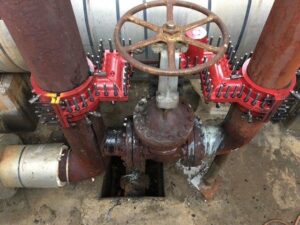
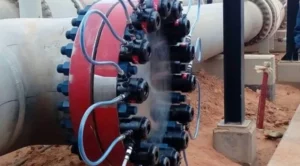
A bagstop is an inflatable isolation device inserted into a pipeline to create a temporary seal. Once positioned, it’s inflated to block flow, allowing crews to safely perform repairs, inspections, or modifications downstream without shutting down an entire system.
Unlike mechanical line stops, which often require cutting into the pipe and installing fittings, bagstops can typically be deployed through existing access points. That makes them faster to install and remove, with less disruption to the surrounding infrastructure. For facilities working against the clock before winter, that speed matters.
Why Should Pipeline Repairs Be Scheduled Before Winter Production Peaks?
Winter changes the risk profile of pipeline maintenance. Cold temperatures can make materials more brittle, complicate welding and sealing work, and slow down crews who have to take extra precautions against icy conditions. At the same time, many industries ramp up production in winter to meet seasonal demand, which leaves less room for planned downtime.
Scheduling isolation and repair work in the fall avoids this bottleneck. Crews can complete the job in more predictable weather, and facilities can return pipelines to full service before the heaviest demand period begins. Waiting until a problem surfaces in January, by contrast, often means choosing between an emergency repair under poor conditions or running a compromised section of pipe through peak season.
What Happens If Pipeline Maintenance Is Delayed Until Winter?
Delaying maintenance into winter typically increases both cost and risk. Cold-weather repairs take longer, require additional safety measures for crews, and can be harder to schedule if a facility is already running at full capacity. An isolation job that might take a day in October can stretch into a multi-day project in January once weather delays and safety protocols are factored in.
How Do Bagstops Compare to Traditional Line-Stop Methods?
Traditional line-stop methods often involve welding fittings onto the pipe and installing a mechanical fitting to control flow. This approach works, but it’s invasive, time-consuming, and can introduce additional points of failure into the pipeline over time.
Bagstops, by comparison, offer a less invasive option for temporary isolation. Choose a bagstop if your priority is minimizing downtime and avoiding permanent modifications to the pipe. Choose a traditional line-stop if the isolation needs to remain in place for an extended period or if the application requires a different pressure rating than a bagstop can accommodate. For most short-term maintenance and repair projects, bagstops provide a practical middle ground between speed and reliability.
What Should Facilities Consider When Planning Pre-Winter Isolation Work?
A few factors tend to separate a smooth pre-winter repair from a stressful one:
- Pipe diameter and material: Bagstops need to be sized correctly for the specific pipeline, so accurate measurements upfront prevent delays during installation.
- Access points: Knowing where crews can safely insert and retrieve equipment shapes how quickly a job can be completed.
- Weather windows: Fall weather can shift quickly, so building in some buffer time protects against last-minute schedule changes.
- Crew availability: Scheduling early means better access to experienced isolation crews before everyone else tries to book the same services in late fall.
Facilities that work through these considerations with a provider experienced in pipeline bagstop services tend to move through the planning phase faster and avoid costly rework.
Why Does Timing Matter More for Facilities in Cold-Weather Regions?
Regions with harsh winters face a tighter planning window than those with milder climates. For facilities seeking bagstop services Philadelphia PA, the fall season offers a practical opportunity to complete isolation work before temperatures drop and winter demand increases. Philadelphia’s climate brings genuinely cold, often icy, conditions by December, which makes outdoor pipeline work considerably more difficult and time-consuming.
Facilities in this region benefit from scheduling bagstop services well in advance, ideally by early-to-mid fall, to secure crew availability and avoid competing with other facilities trying to finish maintenance before the same seasonal deadline.
Plan Your Pipeline Maintenance Before the Cold Sets In
Waiting until a pipeline issue becomes urgent rarely works in a facility’s favor, especially once winter production ramps up. Fall offers a practical window to isolate, repair, and inspect pipeline sections while conditions still allow for efficient work.
SealTec provides pipeline bagstop services designed to help facilities manage isolation projects quickly and safely, without the downtime associated with traditional line-stop methods. If your team is planning repairs ahead of winter, now is the time to get on the schedule, before it fills up.
Frequently Asked Questions
How much does it cost to use bagstop services for pipeline isolation?
Costs vary depending on pipe diameter, project scope, and access conditions. Facilities should request a quote based on their specific pipeline specifications and repair needs.
How long does a typical bagstop isolation project take?
Many bagstop installations can be completed within a day, though timelines depend on pipe size, site access, and the complexity of the repair being performed downstream.
Are bagstops safe for use in cold weather?
Bagstops can be used in cold conditions, but scheduling work before temperatures drop significantly reduces risk and makes the installation process smoother for crews.
What are the alternatives to bagstop isolation?
Traditional line-stop methods and full system shutdowns are common alternatives. Bagstops are generally preferred when facilities want to minimize downtime and avoid permanent pipe modifications.
Who typically needs bagstop services?
Industrial facilities with pipeline systems that require periodic maintenance, repair, or inspection, particularly those that need to isolate sections without halting entire operations, are the primary users of bagstop services.