Key Takeaways
- Pipe freezing is a vital, non-intrusive method for pipeline isolation, allowing for maintenance and repairs without a full system shutdown.
- Emerging technologies, including advanced coolants, automated systems, and predictive software, are set to make pipe freezing services faster, safer, and more efficient.
- Integrating pipe freezing with other services like industrial leak sealing offers a comprehensive solution for modern pipeline integrity management.
Maintaining industrial pipelines is a complex and critical task. A single leak or a faulty valve can lead to costly downtime, significant safety hazards, and environmental damage. Traditionally, addressing these issues required a full system shutdown, draining the entire pipeline network to perform even minor repairs. This process is not only time-consuming but also incredibly expensive.
Pipe freezing offers a modern, efficient alternative. This innovative technique creates a temporary, solid ice plug inside a section of the pipe, effectively isolating the area that needs maintenance. This allows technicians to carry out repairs, replacements, or modifications without disrupting the entire system. As technology advances, the future of pipe freezing looks even more promising, offering enhanced safety, precision, and efficiency for pipeline maintenance across various industries.
This guide explores the evolution of pipe freezing, the technological advancements shaping its future, and how it fits into a comprehensive maintenance strategy.
What is Pipe Freezing?
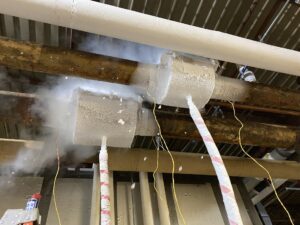
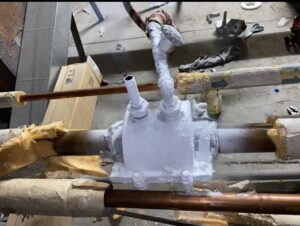
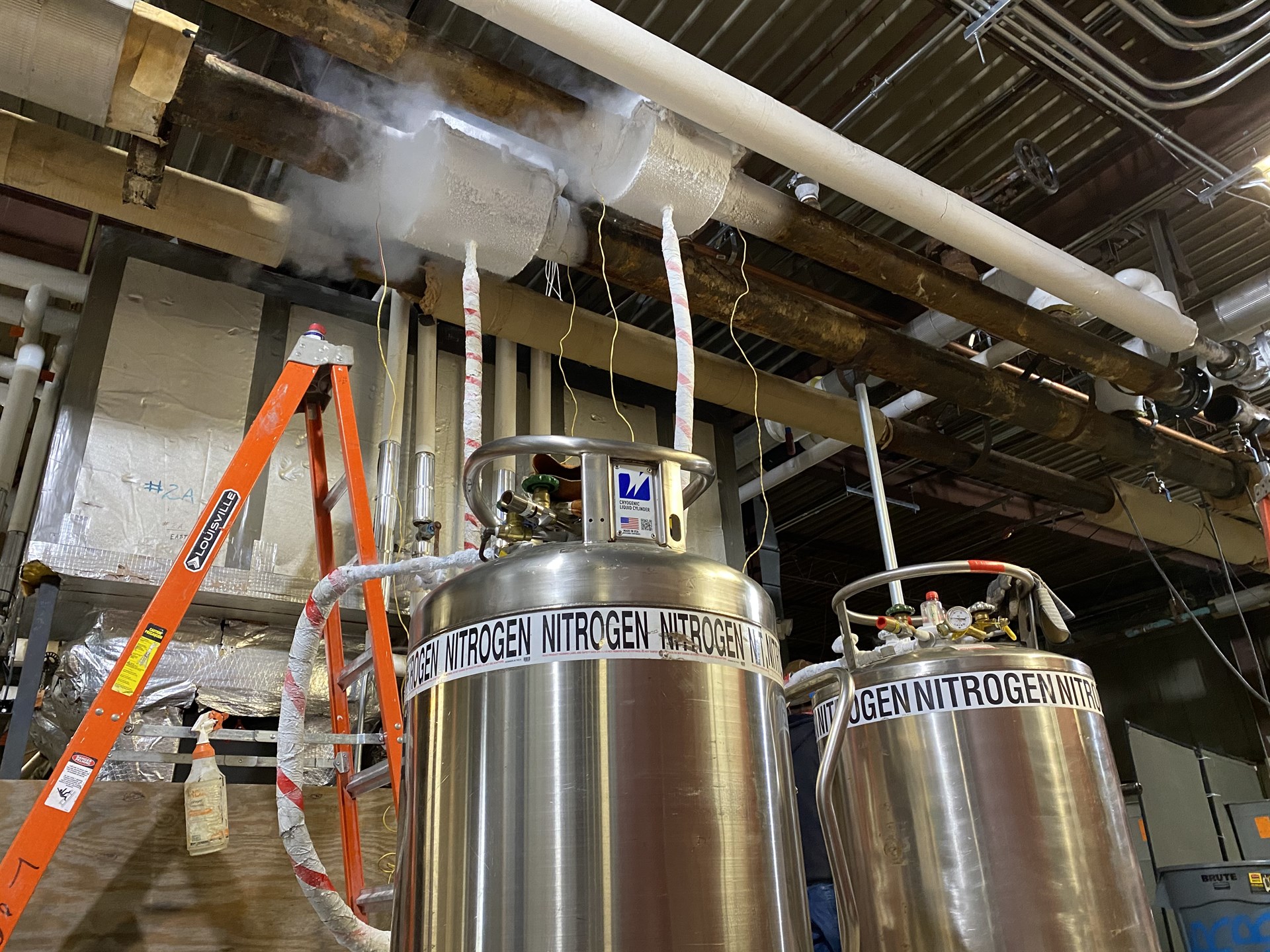
Pipe freezing is a non-intrusive method used to isolate sections of a pipeline. The process involves applying a cryogen, typically liquid nitrogen, to the exterior of a pipe. A specially designed jacket or clamp is wrapped around the target area, into which the liquid nitrogen is carefully injected. The extreme cold (-196°C or -320°F) rapidly freezes the liquid inside, forming a solid, high-pressure ice plug.
This ice plug acts as a temporary valve, capable of withstanding immense pressure and effectively stopping the flow. With the section securely isolated, maintenance crews can safely perform their work, such as valve replacement, pipe repairs, or equipment tie-ins. Once the work is complete, the freezing process is stopped, and the ice plug is allowed to thaw, restoring normal flow without any contamination or system loss.
This technique is particularly valuable in facilities that operate 24/7, like hospitals, data centers, power plants, and manufacturing facilities, where a full shutdown is simply not feasible.
The Evolution of Pipe Maintenance Techniques
Pipeline maintenance has come a long way. The earliest methods were straightforward but disruptive: if a pipe needed fixing, you shut everything down, drained the system, cut out the damaged section, and welded a new piece in. While effective, this “drain and repair” approach resulted in extended downtime, wasted product, and significant labor costs.
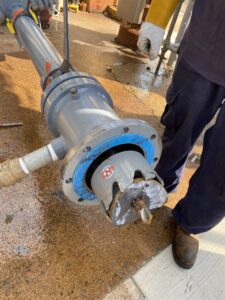
Recognizing these drawbacks, engineers developed methods like line stopping, which involves inserting a mechanical plugging head into the pipe to block flow. While an improvement, this method is intrusive as it requires hot tapping or cutting into the pipe, which introduces its own set of risks, especially when dealing with flammable or hazardous materials.
Pipe freezing emerged as a superior alternative, offering a completely non-intrusive solution. Pipe Freezing Services from specialists like SEALTEC provide a safe and efficient way to achieve isolation without altering the pipeline’s integrity. This evolution represents a significant shift towards smarter, less disruptive maintenance strategies.
Technologies Shaping the Future of Pipe Freezing
The core principles of pipe freezing have been established for decades, but new technologies are refining the process, making it more reliable and accessible than ever.
Advanced Cryogenic Coolants and Delivery Systems
While liquid nitrogen remains the standard, research is underway into alternative coolants and more efficient delivery systems. Future developments may include mixed-gas cryogens that offer more controlled freezing rates, reducing thermal stress on the pipe material. Additionally, automated injection systems are being developed to precisely manage the flow of liquid nitrogen, ensuring optimal plug formation and maintaining it with minimal manual oversight.
Smart Monitoring and IoT Integration
The integration of Internet of Things (IoT) sensors is set to revolutionize how pipe freezing is monitored. Currently, technicians use ultrasonic equipment to check the integrity of the ice plug. In the future, wireless sensors attached to the pipe could provide real-time data on temperature, pressure, and plug thickness directly to a technician’s mobile device. This constant monitoring enhances safety by providing early warnings of any potential issues with the ice plug, allowing for immediate intervention.
Predictive Modeling and Simulation Software
Imagine being able to simulate an entire pipe freezing operation before stepping foot on site. Advanced software is making this a reality. By inputting data like pipe material, diameter, wall thickness, fluid type, and flow rate, engineers can create a detailed simulation of the freezing process. This modeling predicts how long it will take to form a solid plug, identifies potential challenges, and helps plan the safest, most efficient approach. This reduces uncertainty and minimizes risks during the actual operation.
The Synergistic Role of Industrial Leak Sealing
Pipe freezing is a powerful tool for planned maintenance, but what about unexpected issues? That’s where Industrial Leak Sealing comes in. Often, the need for pipeline repair is first identified by a leak. Online leak sealing services allow for the immediate repair of leaks while the system remains operational.
These two services work together seamlessly. A leak might be temporarily sealed to keep the system running until a scheduled maintenance window. During that window, pipe freezing can be used to isolate the section, allowing for a permanent repair or replacement of the faulty component. This integrated approach ensures both immediate containment and long-term system integrity. Companies like SEALTEC specialize in providing both services, offering a complete solution for pipeline maintenance challenges.
Benefits of Adopting Modern Pipe Freezing
The advantages of incorporating advanced pipe freezing techniques into a maintenance strategy are clear and substantial.
- Reduced Downtime: The most significant benefit is the ability to perform repairs without a full system shutdown. This translates directly to cost savings and maintained productivity.
- Enhanced Safety: Pipe freezing is non-intrusive, eliminating the need for hot tapping or cutting into live lines. This significantly reduces the risk of sparks, spills, or exposure to hazardous materials.
- Cost-Effectiveness: By avoiding the need to drain and refill systems, companies save on lost product, disposal costs, and the labor associated with extensive shutdowns.
- Versatility: The technique can be used on a wide range of pipe materials (including carbon steel, stainless steel, and copper) and with various liquids (such as water, oils, and chemicals).
Preparing for Tomorrow’s Pipelines
The future of pipeline maintenance lies in smart, non-intrusive, and data-driven solutions. Pipe freezing, enhanced by emerging technologies, is at the forefront of this shift. As industries continue to seek greater efficiency and safety, the adoption of these advanced methods will become standard practice.
For facility managers and maintenance engineers, staying informed about these developments is crucial. Partnering with expert service providers who leverage the latest technology ensures that your pipeline infrastructure remains reliable, safe, and efficient.
At SEALTEC, we are committed to pioneering the future of pipeline maintenance. By combining proven techniques with cutting-edge technology, we provide our clients with solutions that minimize downtime and maximize safety. If you’re ready to explore how advanced Pipe Freezing Services or Industrial Leak Sealing can benefit your operations, we’re here to help.