Industrial facilities face constant pressure to maintain operations while managing maintenance, repairs, and upgrades. Downtime costs money, disrupts production schedules, and can impact entire supply chains. When pipeline repairs or modifications become necessary, facility managers often assume they’ll need to drain entire systems—a process that can take days and cost thousands in lost productivity.
Pipe freezing technology offers a smarter solution. This innovative technique allows maintenance teams to isolate specific pipeline sections without shutting down entire systems or draining valuable fluids. For industrial facilities managing complex piping networks, pipe freezing represents a significant opportunity to enhance operational efficiency while reducing maintenance costs and minimizing production interruptions.
Key Takeaways
- Pipe freezing eliminates the need for system-wide shutdowns, allowing targeted repairs and maintenance on specific pipeline sections while keeping the rest of the system operational.
- The technology works across various pipe materials and sizes, making it versatile for different industrial applications from water systems to chemical processing lines.
- Cost savings can be substantial, as facilities avoid lost production time, fluid replacement costs, and extensive system downtime that traditional repair methods require.
Understanding Pipe Freezing Technology
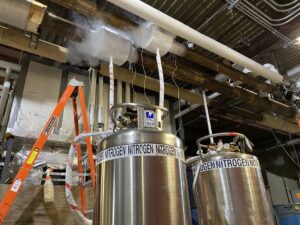
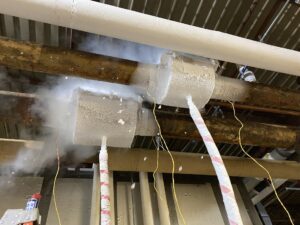
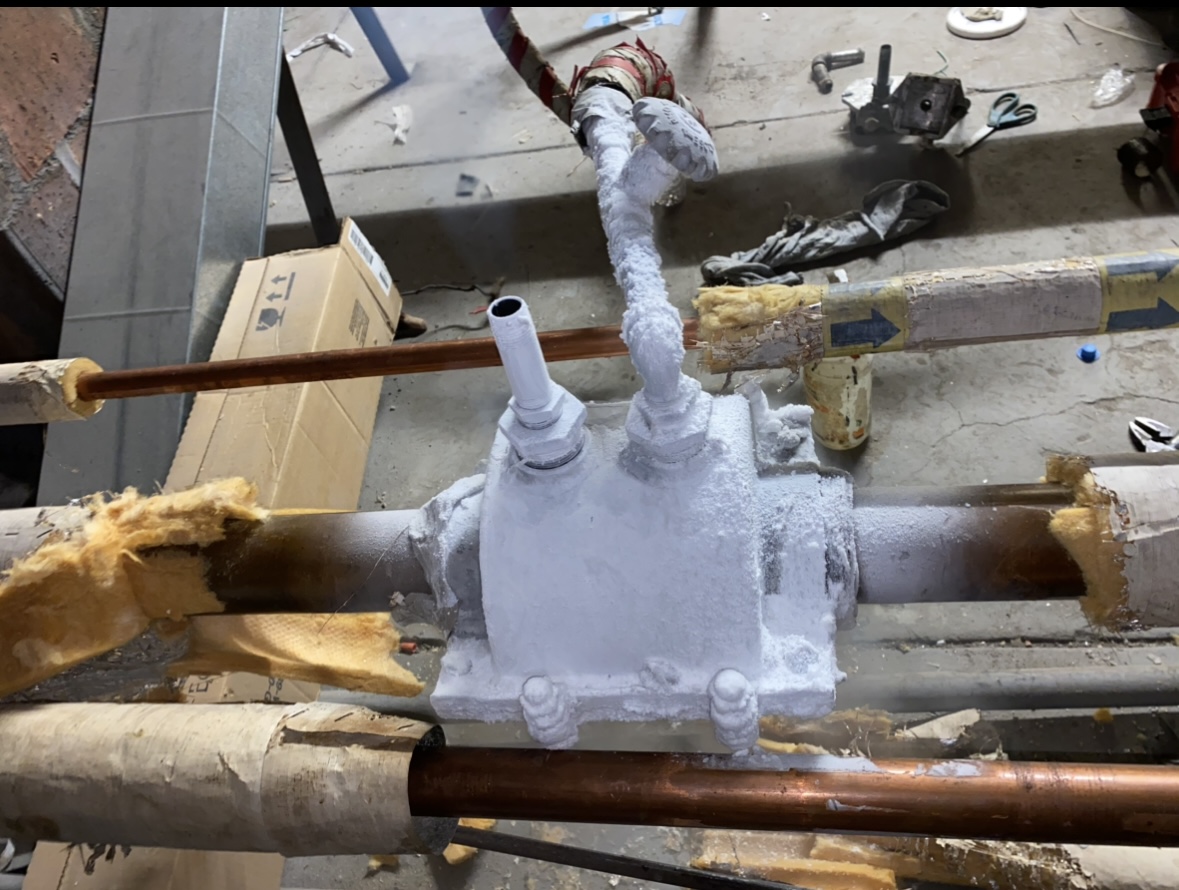
Pipe freezing works by creating temporary ice plugs within pipelines using specialized equipment that rapidly cools specific sections of pipe. The process involves clamping freezing jackets around the pipe at strategic points, then circulating extremely cold refrigerant or liquid nitrogen to form solid ice barriers that effectively seal off the targeted area.
This ice plug acts as a temporary valve, preventing fluid flow while maintaining pressure integrity throughout the rest of the system. The controlled freezing process typically takes 15-45 minutes depending on pipe diameter, wall thickness, and fluid type. Once repairs are complete, the ice naturally melts and normal flow resumes.
The technique works effectively on pipes ranging from half-inch residential lines to large industrial conduits measuring several feet in diameter. Most common pipe materials—including steel, copper, PVC, and HDPE—respond well to pipe freezing applications.
Applications in Industrial Settings
Water Distribution Systems
Municipal water treatment facilities and industrial water systems benefit significantly from pipe freezing technology. Rather than shutting down water supply to entire districts or facility sections, maintenance crews can isolate individual lines for repair or component replacement. This targeted approach ensures continuous service to unaffected areas while addressing specific maintenance needs.
Chemical Processing Plants
Chemical facilities handle valuable and sometimes hazardous fluids that are expensive to drain and dispose of safely. Pipe freezing allows these operations to perform maintenance on process lines without losing product or creating waste disposal challenges. The technology also reduces exposure risks for maintenance personnel by eliminating the need to drain potentially dangerous chemicals.
HVAC Systems
Large commercial and industrial HVAC systems often span multiple buildings or facility sections. Traditional maintenance approaches might require shutting down climate control for entire areas, affecting worker comfort and potentially sensitive equipment. Pipe freezing enables targeted repairs to specific system branches while maintaining temperature control elsewhere.
Manufacturing Operations
Production facilities with integrated cooling systems, hydraulic lines, or process piping can use pipe freezing to address maintenance needs without stopping manufacturing operations. This capability is particularly valuable for continuous process industries where shutdown and restart procedures are complex and costly.
Efficiency Benefits for Industrial Facilities
Reduced Downtime
The primary efficiency gain comes from eliminating unnecessary system shutdowns. While traditional repair methods might require 6-24 hours of downtime for draining and refilling systems, pipe freezing typically allows repairs to begin within an hour of equipment setup. This time savings translates directly to maintained production capacity and revenue protection.
Lower Labor Costs
Conventional pipeline repairs often require multiple technicians working extended shifts to drain systems, perform repairs, and restart operations. Pipe freezing reduces crew size requirements and eliminates time spent on draining and refilling procedures, resulting in significant labor cost savings.
Preserved Fluid Value
Industrial fluids—whether treated water, specialized chemicals, or hydraulic oils—represent substantial value that’s lost when systems must be drained for maintenance. Pipe freezing preserves these fluids in place, eliminating replacement costs and waste disposal expenses.
Improved Safety
By avoiding the need to drain potentially hazardous substances, pipe freezing reduces worker exposure to chemicals and eliminates risks associated with fluid handling and disposal. The process also maintains system pressure balance, preventing vacuum conditions that can damage equipment.
Implementation Considerations
Equipment Requirements
Professional pipe freezing requires specialized equipment including freezing machines, insulated jackets, temperature monitoring systems, and appropriate refrigerants or coolants. While some facilities invest in their own equipment for frequent use, many find it more cost-effective to contract with service providers like SEALTEC who maintain professional-grade freezing systems.
Technical Limitations
Pipe freezing works best on pipes containing water-based fluids or solutions with high water content. Oils, alcohols, and other substances with low freezing points may not form effective ice plugs. Additionally, extremely large diameter pipes or those with very thick walls may require longer freezing times or multiple freeze points.
Planning and Coordination
Successful pipe freezing operations require careful planning to identify optimal freeze locations, ensure adequate working space for equipment, and coordinate with facility operations to minimize any remaining disruptions. Proper planning also includes backup procedures in case primary freeze points don’t achieve full isolation.
Measuring Return on Investment
Cost Comparison Analysis
When evaluating pipe freezing against traditional repair methods, facilities should calculate total cost including production losses, labor, materials, and opportunity costs. A typical analysis might compare 8-12 hours of system downtime costing $50,000 in lost production against a 2-hour pipe freezing operation costing $3,000-5,000 in service fees.
Long-term Value
Beyond immediate cost savings, pipe freezing can enable more frequent preventive maintenance by making these activities less disruptive to operations. This increased maintenance frequency often extends equipment life and prevents more costly emergency repairs.
Maximizing Your Facility’s Efficiency Potential
Pipe freezing technology represents a paradigm shift in industrial maintenance strategy. Rather than accepting system-wide shutdowns as inevitable, forward-thinking facility managers can leverage this technology to maintain operational continuity while addressing necessary maintenance and improvements.
The key to success lies in understanding where pipe freezing fits within your facility’s overall maintenance approach. Work with experienced service providers to identify high-value applications where this technology can deliver maximum benefit. Consider developing relationships with qualified contractors who can respond quickly when urgent repairs arise.
For industrial facilities serious about operational efficiency, pipe freezing isn’t just a maintenance technique—it’s a competitive advantage that keeps production running while others are forced offline.