Quick answer: A building envelope system is the physical barrier separating a building’s interior from the outdoor environment—including the roof, walls, windows, doors, and foundation. It protects against water, air, and temperature changes. Maintaining it properly prevents costly damage, improves energy efficiency, and extends the life of your property.
Water stains on the ceiling. Drafts that drive up your energy bills. Cracks creeping along an exterior wall. These problems often share a single root cause: a failing building envelope. For property owners, understanding how this system works is the first step toward protecting your investment.
This guide breaks down what building envelope systems are, why they matter, and how to keep yours in good shape. Whether you manage a commercial property or own a single building, you’ll walk away knowing how to spot trouble early and make smart maintenance decisions.
Key Takeaways
- A building envelope is the protective shell of a structure—roof, walls, windows, doors, and foundation—that controls water, air, and heat transfer.
- Regular inspections and timely building envelope repair prevent small issues from becoming expensive structural problems.
- Investing in commercial waterproofing and proactive maintenance saves money, improves energy efficiency, and protects occupant health.
What is a building envelope system?
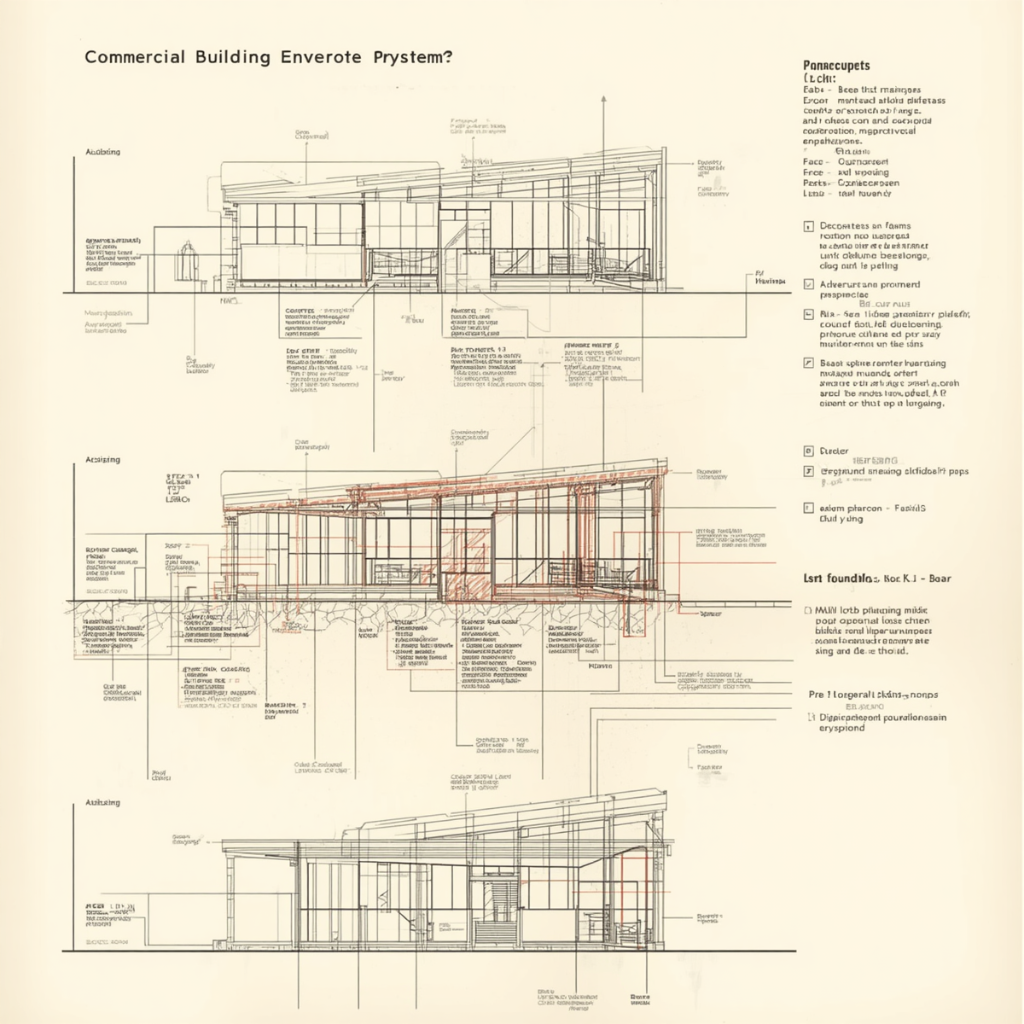
A building envelope system is the collection of components that separate the inside of a building from the outside. Think of it as the structure’s skin. It includes everything that shields the interior from weather, moisture, and temperature swings.
The main parts of a building envelope are:
- Roof: The first line of defense against rain, snow, and sun.
- Walls: Exterior cladding, insulation, and structural framing.
- Windows and doors: Openings that must seal tightly to prevent leaks and drafts.
- Foundation: The base that keeps groundwater and moisture from seeping in.
- Air and vapor barriers: Hidden layers that manage moisture and airflow.
When all these elements work together, they keep your building dry, comfortable, and energy efficient. When one fails, the others often follow.
Why does the building envelope matter?
The building envelope does more than keep the rain out. It plays a central role in the comfort, safety, and operating costs of your property.
A well-maintained envelope controls three things:
- Water: Stops rain and groundwater from entering and causing rot, mold, or structural decay.
- Air: Limits drafts and uncontrolled airflow that strain heating and cooling systems.
- Heat: Reduces energy loss, keeping interior temperatures stable year-round.
When the envelope fails, the consequences add up fast. Moisture intrusion can lead to mold growth, which threatens occupant health. Water damage weakens structural materials. And air leaks force HVAC systems to work harder, driving up utility bills.
What are the most common building envelope problems?
Even well-built structures develop issues over time. Knowing what to watch for helps you act before minor flaws turn into major repairs.
Water intrusion and leaks
Water is the most destructive force a building faces. Leaks often start small—a hairline crack in the facade or a worn sealant joint—but they spread quickly. By the time stains appear indoors, the damage may already be significant. This is where commercial waterproofing becomes essential, sealing vulnerable areas before water can take hold.
Failing seals around windows and doors
Window and door seals degrade with age and weather exposure. Once they fail, they let in air, water, and noise. You may notice condensation between glass panes, drafts, or rising energy costs.
Cracked or deteriorating facades
Exterior walls take a beating from sun, wind, and temperature changes. Cracks, spalling concrete, and crumbling mortar are all signs that the facade needs attention. Left unchecked, these problems can compromise the wall’s structural integrity.
Roof damage
Roofs face constant exposure to the elements. Missing materials, pooling water, and worn membranes all create entry points for moisture. Regular roof inspections are a core part of any building maintenance guide.
How do you maintain a building envelope?
Proactive maintenance is far cheaper than emergency repairs. A consistent care routine keeps your envelope strong and helps you avoid surprises.
Schedule regular inspections
Have a qualified professional inspect your building at least once a year, and after major storms. Inspections catch small problems—loose flashing, failing sealants, hairline cracks—before they escalate.
Address repairs promptly
When an inspection turns up an issue, act quickly. Timely building envelope repair stops water and air infiltration before they cause secondary damage. A delayed roof patch today can become a full replacement tomorrow.
Prioritize waterproofing
Waterproofing protects the areas most vulnerable to moisture, such as roofs, foundations, and below-grade walls. Investing in quality commercial waterproofing extends the life of these components and shields the interior from costly water damage.
Keep detailed records
Document every inspection, repair, and upgrade. A clear maintenance history helps you track recurring problems, plan future budgets, and demonstrate due diligence if you ever sell the property.
When should you call a professional?
Some maintenance tasks are straightforward, but many envelope problems require expert assessment. Call a specialist if you notice:
- Persistent leaks or water stains
- Visible cracks in exterior walls or the foundation
- Drafts or sudden spikes in energy bills
- Mold or musty odors indoors
- Pooling water on the roof
Professionals have the tools and training to diagnose hidden issues that aren’t visible to the untrained eye. Catching these early protects both your building and your budget.
Protect your property with smart envelope care
Your building envelope works around the clock to keep your property safe, dry, and efficient. Treating it as a priority—rather than an afterthought—pays off in lower costs, healthier interiors, and a longer building lifespan.
Start with a simple step: schedule an inspection and build a maintenance plan that fits your property. If you’re unsure where to begin, Seal Tec can assess your building envelope and recommend the right solutions for your needs.
Frequently asked questions
How long do building envelope systems last?
The lifespan varies by component and material. Roofs typically last 20 to 30 years, while quality waterproofing systems can last decades with proper care. Regular maintenance significantly extends the life of every part of the envelope.
How much does building envelope repair cost?
Costs depend on the scope of the damage, the materials involved, and the size of the building. Minor sealant repairs are relatively inexpensive, while major facade or roof work costs more. Catching problems early through regular inspections keeps repair costs lower over time.
What is the difference between waterproofing and damp proofing?
Damp proofing resists moisture in vapor form, while waterproofing blocks liquid water under pressure. Commercial waterproofing offers stronger protection and is the better choice for areas exposed to standing water or heavy moisture.
How often should I inspect my building envelope?
At minimum, schedule a professional inspection once a year. It’s also wise to inspect after severe weather events like storms, heavy rain, or freeze-thaw cycles, which can cause sudden damage.