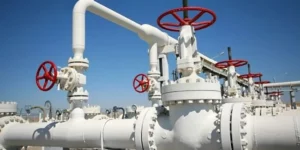

Industrial plants run on precision. Every component plays a crucial role in keeping production moving safely and efficiently. Valves often act as the unsung heroes of this ecosystem, controlling the flow of hazardous, high-pressure, or high-temperature materials. Yet, they are frequently overlooked until a catastrophic failure forces a sudden shutdown.
Waiting for a valve to leak or seize before taking action costs facilities thousands of dollars in lost productivity and emergency repairs. Shifting from a reactive approach to a proactive strategy completely changes this dynamic. By making valve checks a standard part of daily plant operations, facility managers can identify minor wear and tear before it escalates into a major crisis. This guide outlines practical steps to build a routine maintenance plan that keeps your facility running smoothly.
Key Takeaways
- Proactive valve maintenance prevents costly unplanned downtime and safety hazards.
- Integrating visual and auditory checks into daily rounds creates a culture of reliability.
- Partnering with an Online Industrial Piping Contractor ensures expert support without halting production.
The High Cost of Reactive Maintenance
Ignoring valve health usually leads to one predictable outcome: unexpected downtime. When a critical valve fails, the entire line often comes to a grinding halt. Emergency repairs require expedited shipping for replacement parts and premium rates for specialized labor. Furthermore, faulty valves pose severe safety risks to plant personnel and can lead to serious environmental compliance violations.
Scheduled check-ups eliminate these surprise failures. Plant operators can monitor performance trends, schedule necessary repairs during planned outages, and significantly extend the lifespan of expensive equipment. A proactive mindset saves money and protects the workforce.
Building a Daily Maintenance Routine
Seamless integration starts with empowering the people on the floor. Operators walk the plant daily and are usually the first to notice when something sounds or looks wrong. Utilizing their presence is the most effective way to monitor valve health.
Visual and Auditory Inspections
Train your staff to perform basic visual checks during their regular shifts. They should look for obvious signs of trouble, such as pooling fluids, rust around the casing, or loose bolting. Listening is equally important. Hissing sounds often indicate a steam or gas leak, while grinding noises suggest internal friction that could damage the valve stem or seat.
Standardized Checklists
Equip your team with digital or physical checklists. A standardized reporting system ensures that no critical valve gets skipped during a busy shift. When an operator notes a minor issue, the maintenance team can immediately log the data and plan the appropriate intervention before the shift ends.
Training Your Team for Success
Implementing a daily routine requires proper training. Operators do not need to be master mechanics, but they do need to understand the basic mechanics of the valves they interact with. Hosting regular, short training sessions helps staff identify the difference between normal operational wear and a critical defect.
When your team understands the specific functions of gate, globe, and check valves, they can provide much more accurate reports to the maintenance department. This clear communication bridges the gap between operations and maintenance, fostering a collaborative environment focused on plant reliability.
Advanced Techniques and Expert Support
While daily operator checks catch surface-level problems, comprehensive maintenance requires specialized skills. Some repairs are simply too complex or dangerous for in-house staff to handle during a standard shift. This is where external expertise becomes invaluable.
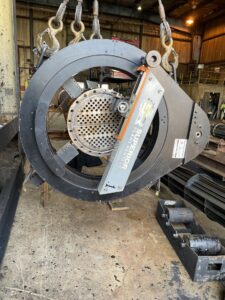
For example, utilizing Field Machining services allows technicians to repair flanges and valve seats directly on-site. This eliminates the massive effort required to remove heavy equipment and transport it to an off-site workshop. The repair happens exactly where the valve sits, drastically reducing turnaround times and getting the line back up to speed safely.
Additionally, working with an experienced Online Industrial Piping Contractor like Sealtec provides access to advanced leak-sealing technologies. These professionals can often resolve valve issues while the system remains pressurized and fully operational. You maintain your production targets while the experts secure the infrastructure.
Leveraging Data for Predictive Maintenance
Modern plant operations rely heavily on data collection. Installing smart sensors on critical valves provides real-time feedback on temperature fluctuations, pressure drops, and acoustic signatures. This information feeds directly into predictive maintenance software, which alerts managers to anomalies long before a human operator could detect them.
Tracking this data over time helps facilities move beyond simply routine checks. You can begin to forecast exactly when a specific valve will need repacking or total replacement, allowing the procurement department to order parts well in advance and avoid supply chain delays.
Take Control of Your Plant’s Reliability
Valve maintenance does not have to be a source of stress or unexpected expenses. By training your operators, utilizing standardized checklists, and leveraging external expertise, you can protect your equipment and your bottom line. Start small by auditing your most critical valves this week. Identify which ones require immediate attention and integrate their ongoing inspection into tomorrow’s shift schedule.
When complex repairs arise, trust the experts at Sealtec to deliver safe, efficient solutions. Contact our team today to learn how our specialized services can support your proactive maintenance strategy and keep your facility operating at peak performance.