
Equipment failures in industrial settings rarely come without warning. The warning signs are usually there—unusual vibrations, minor leaks, worn seals—but without a structured system in place, they’re easy to miss until something goes wrong. That’s when a single breakdown can cascade into thousands of dollars in lost production, emergency repairs, and unplanned downtime.
Preventative maintenance (PM) programs exist to get ahead of these moments. Rather than reacting to failures, they create a rhythm of regular inspections, scheduled servicing, and proactive repairs that keep operations running smoothly. For industrial facilities across New Jersey and beyond, implementing a strong PM program isn’t just a best practice—it’s a competitive advantage.
This guide walks you through the key components of an effective preventative maintenance program, with a focus on how industrial piping solutions and facility management can work together to reduce risk and extend equipment life.
Key Takeaways
- Preventative maintenance programs reduce unplanned downtime by identifying and addressing equipment issues before they escalate into costly failures.
- A well-structured PM program for industrial facilities should include regular inspections, clear documentation, and the right contractor support—especially for critical systems like industrial piping solutions.
- Partnering with an experienced contractor in Glassboro, NJ like SealTec ensures your maintenance program is built on local expertise and industry-specific knowledge.
What Is a Preventative Maintenance Program?
A preventative maintenance program is a scheduled, systematic approach to maintaining equipment and infrastructure before failure occurs. Rather than waiting for a pump to stop working or a pipe to corrode, PM programs set defined intervals for inspection, cleaning, lubrication, testing, and part replacement.
The benefits are well-documented. Studies from the U.S. Department of Energy suggest that switching from reactive to preventative maintenance can reduce maintenance costs by 25–30%. For industrial facilities, where equipment downtime has an outsized impact on operations, those savings add up quickly.
The core components of a PM program typically include:
- Scheduled inspections at regular intervals (daily, weekly, monthly, annually)
- Maintenance checklists tailored to each piece of equipment or system
- Documentation and records to track performance trends over time
- Defined responsibilities for in-house staff and external contractors
- Corrective action protocols when issues are identified
Building a PM Program for Industrial Settings
Industrial environments vary widely—from chemical processing plants to manufacturing facilities to wastewater treatment sites. But the foundational approach to building a PM program stays largely consistent.
Start With an Equipment Audit
Before scheduling any maintenance, you need to know exactly what you’re working with. Conduct a thorough audit of all equipment and infrastructure, including piping systems, mechanical components, electrical systems, and safety equipment. Document the age, condition, and maintenance history of each asset.
This baseline is essential. It tells you where your highest-risk areas are, helps prioritize where to focus resources first, and establishes a benchmark for measuring improvements over time.
Prioritize Critical Systems
Not all equipment carries the same level of risk. Focus your early PM efforts on the systems that, if they fail, would cause the most operational disruption or safety hazard.
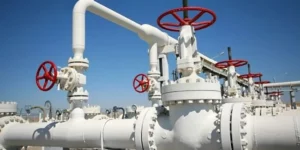
Industrial piping solutions are a prime example. Piping systems in industrial facilities carry everything from water and steam to chemicals and compressed gases. Corrosion, leaks, and joint failures can shut down entire production lines, create environmental hazards, and put workers at risk. Regular inspection, pressure testing, and pipe condition monitoring should be a cornerstone of any industrial PM program.
Create Clear Maintenance Schedules
Once you’ve identified your critical assets, the next step is building a maintenance calendar. This should specify:
- What needs to be maintained
- How often each task should be performed
- Who is responsible (internal team or external contractor)
- What tools, parts, or materials are required
Computerized Maintenance Management Systems (CMMS) make this easier by automating scheduling, tracking work orders, and generating performance reports. Even a well-structured spreadsheet can serve as a starting point for smaller operations.
Train Your Team
A PM program is only as effective as the people executing it. Invest in regular training for maintenance staff so they can accurately identify signs of wear, understand proper inspection procedures, and follow safety protocols. Clear communication between departments—especially between operations and maintenance teams—is equally important.
Partner With the Right Contractor
Some maintenance tasks require specialized expertise that goes beyond what in-house teams can provide. This is especially true for complex systems like high-pressure piping, industrial seals, and custom fabrication work.
Working with an experienced contractor in Glassboro, NJ gives industrial facilities access to regional expertise and responsive service. SealTec, for example, specializes in industrial maintenance and industrial piping solutions for facilities throughout New Jersey, offering both planned maintenance support and rapid-response services when issues arise.
Common Pitfalls to Avoid
Even well-intentioned PM programs can fall short if certain mistakes aren’t caught early.
Inconsistent documentation is one of the most common issues. Without reliable records, it’s impossible to track trends, identify recurring problems, or demonstrate compliance with regulatory requirements. Every inspection, repair, and part replacement should be logged.
Over-relying on reactive repairs is another. Some facilities implement a PM program but continue to prioritize emergency fixes over scheduled maintenance when resources are stretched. This creates a cycle that’s hard to break. Building management buy-in—and demonstrating the cost savings of prevention versus reaction—helps protect the program from being deprioritized.
Neglecting to review and update the program is also a risk. Equipment ages, operations change, and new systems get added. A PM program that made sense five years ago may have significant gaps today. Schedule annual reviews to assess whether the program still reflects the current state of the facility.
The ROI of Preventative Maintenance
The financial case for preventative maintenance is straightforward. Emergency repairs cost more than scheduled maintenance—often significantly more when you account for parts, labor, and production downtime. Equipment that’s regularly maintained also lasts longer, deferring costly capital replacements.
Beyond direct cost savings, PM programs support compliance with safety and environmental regulations, reduce workplace injuries linked to equipment failures, and improve overall operational reliability. For industrial facilities competing on efficiency and output, that reliability translates directly into bottom-line performance.
Build a Maintenance Program That Lasts
Preventative maintenance isn’t a one-time project—it’s an ongoing commitment to operational excellence. Starting with a solid equipment audit, prioritizing high-risk systems like industrial piping solutions, and building a clear, documented schedule gives your facility a strong foundation.
The most successful PM programs combine disciplined internal processes with the right external partners. If your facility is looking to build or strengthen a preventative maintenance program, SealTec is here to help. As a trusted contractor in Glassboro, NJ, SealTec brings industrial expertise, reliable service, and tailored maintenance solutions to facilities across New Jersey.
Reach out to the SealTec team today to discuss how we can support your maintenance goals.