
Electrical equipment leaks are one of those problems that rarely announce themselves politely. A minor drip becomes a costly shutdown. A small seal failure turns into a safety hazard. For facilities managers and engineers, staying ahead of these issues isn’t just good practice—it’s essential for keeping operations running.
That’s where industrial leak sealing has changed the game. Over the past decade, advances in materials science, real-time monitoring, and application techniques have transformed what was once a reactive problem into something far more manageable. SealTec has been at the forefront of these changes, helping industrial facilities seal smarter, not harder.
This post breaks down the key innovations reshaping electrical equipment leak sealing, and what they mean for your operations.
Key Takeaways
- Modern industrial leak sealing technologies allow facilities to address leaks without costly shutdowns, using live sealing techniques and advanced polymer compounds.
- Smart monitoring systems now enable real-time leak detection, helping engineers respond faster and prevent minor issues from becoming major failures.
- Choosing the right industrial piping solutions partner—one with deep technical expertise and modern materials—can significantly extend the life of your electrical infrastructure.
Why Electrical Equipment Leak Sealing Demands Precision
Electrical systems and moisture don’t mix. When leaks occur in or around electrical enclosures, conduits, transformers, or cable entries, the risks escalate quickly. Water ingress can cause short circuits, corrosion, and equipment failure. In high-voltage environments, the consequences can be severe.
Traditional repair methods often required taking equipment offline, which meant production downtime, lost revenue, and complex scheduling challenges. Even then, older sealing materials—like standard rubber gaskets or basic epoxy compounds—offered limited long-term reliability, especially in environments with high thermal cycling, vibration, or chemical exposure.
This combination of high stakes and technical difficulty has driven rapid innovation in how the industry approaches leak sealing.
Smarter Materials: The Foundation of Modern Leak Sealing
One of the most significant shifts in industrial leak sealing has been the development of advanced sealing compounds. Modern formulations are engineered for specific conditions—extreme temperatures, chemical exposure, high pressure, or submersion.
Two categories stand out:
Injection-Grade Polymers
These high-density compounds can be injected into live systems under pressure, filling voids and cracks without requiring disassembly. They cure rapidly, bond to a wide range of substrates, and maintain their integrity across a broad temperature range. For electrical equipment specifically, non-conductive formulations are critical—and modern injection polymers are designed with this in mind.
Flexible Sealant Systems
Where rigid compounds would crack under movement or vibration, flexible sealant systems offer a more adaptive solution. These materials can absorb mechanical stress while maintaining a watertight seal. They’re particularly effective around cable entries and junction points, where some degree of movement is inevitable.
Both approaches have dramatically extended the lifespan of seals compared to older methods, reducing the frequency of repeat repairs.
Live Sealing Technology: No Shutdown Required
Perhaps the most operationally significant innovation in recent years is the widespread adoption of live sealing—the ability to seal leaks without taking equipment offline.
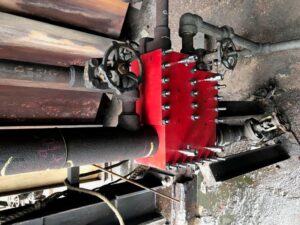
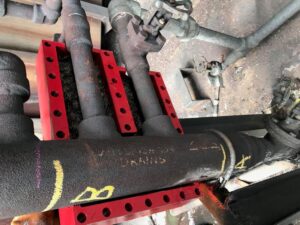
Using specialized clamps, injection fittings, and compatible sealing compounds, trained technicians can arrest leaks while systems remain pressurized and operational. For electrical infrastructure, this translates directly to reduced downtime, lower maintenance costs, and fewer disruptions to production schedules.
Live sealing techniques have become a core part of SealTec’s service offering, enabling clients across industrial sectors to address leaks quickly and efficiently. The key to success lies not just in the materials but in the precision of application—which is why technician training and certification have become equally important in the industry.
Real-Time Monitoring and Early Detection
Catching a leak before it becomes a crisis is far more cost-effective than responding after the fact. Advances in sensor technology and IoT connectivity have made real-time leak detection more accessible and accurate than ever.
Modern monitoring systems can detect:
- Moisture ingress in electrical enclosures and cable trays
- Pressure drops in sealed piping systems connected to electrical infrastructure
- Temperature anomalies that may indicate fluid contact with electrical components
When integrated with facility management software, these systems generate automatic alerts, enabling engineering teams to act fast. Some platforms can even predict failure points based on trend data, allowing for scheduled preventive maintenance rather than emergency repairs.
For facilities running continuous operations—manufacturing plants, data centers, water treatment facilities—this kind of early warning capability is invaluable.
Advances in Industrial Piping Solutions for Electrical Applications
Electrical equipment doesn’t exist in isolation. It sits within a broader network of industrial piping solutions—coolant lines, hydraulic systems, conduit runs—that all carry leak risk. Innovations in piping materials and connection systems have had a direct impact on electrical leak sealing outcomes.
Push-to-Connect and Compression Fittings
Modern push-to-connect fittings have replaced many traditional threaded or welded connections in industrial environments. These systems reduce the number of potential leak points and make maintenance faster. For electrical applications, this matters because fewer connections mean fewer opportunities for fluid ingress near sensitive components.
Corrosion-Resistant Piping Materials
In harsh environments—chemical processing, offshore facilities, food manufacturing—corrosion is a primary driver of leaks. The adoption of high-grade stainless steel, CPVC, and specialized lined pipes has significantly reduced leak incidents over time. When leaks do occur, modern industrial piping solutions are also easier to seal and repair thanks to more consistent surface materials.
Environmental and Compliance Considerations
Leak sealing innovations aren’t only about performance—they’re increasingly driven by environmental regulations and sustainability goals. Fluid leaks in industrial settings can lead to soil contamination, regulatory fines, and reputational damage.
Newer sealing materials are formulated to be environmentally safer, with reduced volatile organic compound (VOC) content and better resistance to degradation. Several compounds used in electrical leak sealing are now certified for use in sensitive environments, including near water sources and in food-grade facilities.
For industrial operators, investing in modern industrial leak sealing solutions is both a risk management strategy and a compliance measure.
The Road Ahead for SealTec
What Sets the Best Solutions Apart
With so many products and technologies on the market, it can be difficult to know where to start. The most effective industrial piping solutions and leak sealing programs share a few common traits: they’re built around high-quality materials, supported by technically trained staff, and tailored to the specific conditions of each facility.
Generic, off-the-shelf approaches rarely hold up in demanding industrial environments. Customization—whether in compound selection, monitoring setup, or application method—is what separates a temporary fix from a lasting solution.
Build a Leakproof Operation
Electrical equipment leak sealing has come a long way from rubber gaskets and reactive repairs. Today’s solutions combine advanced materials, live sealing capability, and smart monitoring to give industrial facilities a genuinely proactive approach to leak management.
For operations where reliability is non-negotiable, these innovations aren’t optional—they’re the standard. SealTec works with industrial clients to assess their specific risks and implement sealing strategies that hold up under real-world conditions.
Ready to strengthen your leak sealing program? Contact SealTec today to discuss the right solution for your facility.