Key Takeaways
- Unchecked industrial leaks lead to severe ecological damage, including soil contamination and harmful air emissions.
- Modern Industrial Leak Sealing techniques prioritize eco-friendly materials and non-destructive testing to minimize environmental harm.
- Implementing proactive Industrial Piping Solutions prevents major failures, saving companies money while protecting local ecosystems.
Industrial facilities face a constant battle against equipment wear and tear. A minor drip from a pipeline might seem like a small operational nuisance. Left unattended, that minor drip can quickly escalate into a major environmental hazard. Companies are now recognizing that maintaining infrastructure is a critical component of environmental stewardship.
Proper maintenance practices do more than keep production lines running. They prevent toxic substances from entering the local ecosystem. As regulations tighten and public awareness grows, industrial operators must adapt their maintenance strategies. Sealtec leads the way in helping facilities transition to more sustainable operational practices.
Understanding the environmental considerations of leak repair helps organizations make responsible choices. It shifts the focus from reactive damage control to proactive ecological protection.
The Hidden Ecological Costs of Unchecked Leaks
When a piping system fails, the consequences extend far beyond the factory floor. Different types of leaks affect the surrounding environment in unique ways.
Soil and Groundwater Contamination
Chemicals and petroleum products escaping from underground or ground-level pipes often seep directly into the soil. This alters the soil chemistry, harming local plant life and the micro-organisms necessary for a healthy ecosystem. Over time, these pollutants can migrate downward and reach groundwater reserves. Groundwater contamination is notoriously difficult and expensive to clean up. It can threaten local drinking water supplies and impact agricultural operations miles away from the original leak source.
Air Quality and Harmful Emissions
Not all leaks involve liquids. Volatile organic compounds (VOCs) and greenhouse gases frequently escape from faulty valves and flanges. These invisible leaks degrade local air quality and contribute to broader climate change issues. Regular monitoring helps catch these fugitive emissions early. Reducing these emissions is a primary focus for environmental protection agencies worldwide.
Modern Approaches to Industrial Leak Sealing
The methods used to fix leaks have evolved significantly. Past practices sometimes caused as much disruption as the leaks themselves. Today, the focus is on achieving a secure seal with minimal environmental impact.
Non-Destructive Testing Methods
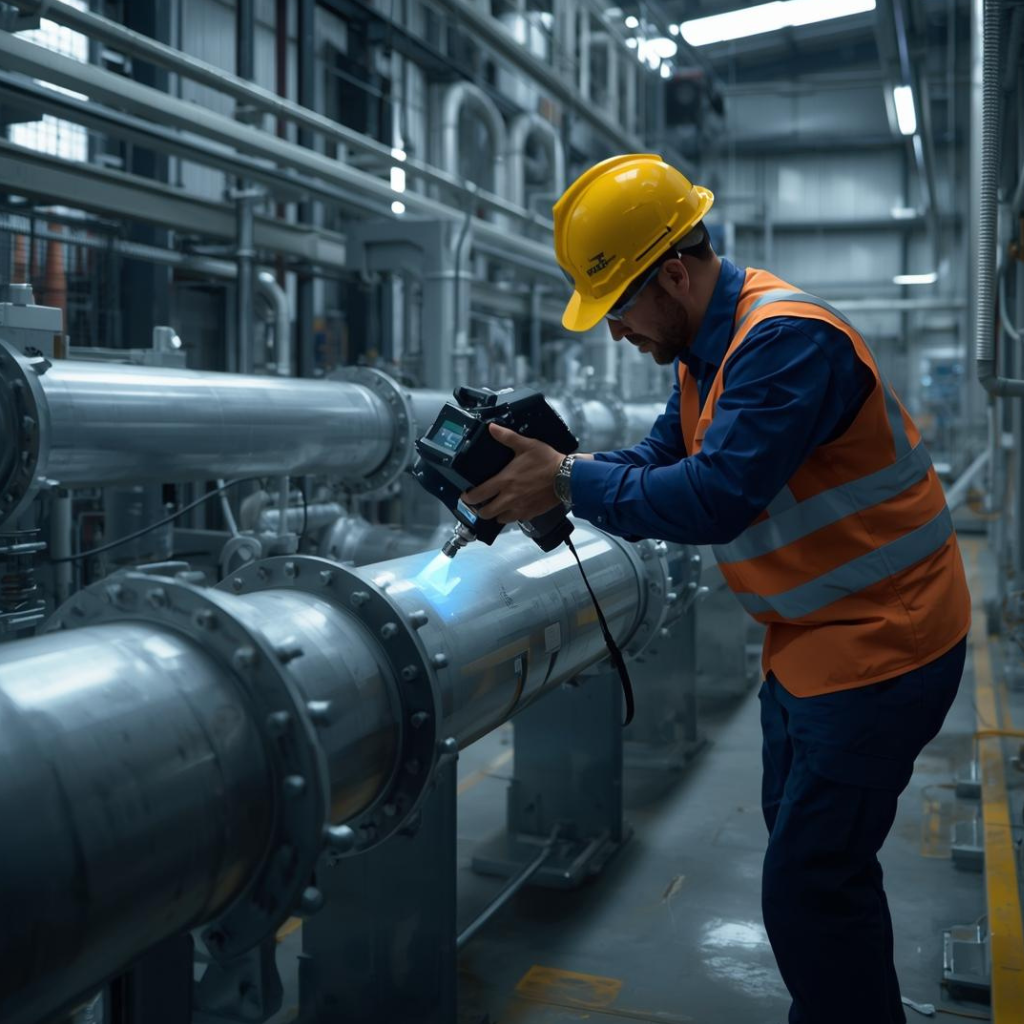
Before a repair can happen, technicians must locate the exact source of the problem. Traditional methods sometimes required excavating large areas or shutting down entire systems, which disrupted local habitats. Now, technicians use advanced diagnostic tools like ultrasonic testing, thermal imaging, and acoustic emission sensors. These technologies allow maintenance teams to pinpoint weak spots without disturbing the surrounding environment.
Eco-Friendly Sealants and Materials
The chemical composition of sealing materials matters. Older sealants often contained toxic compounds that could leach into the environment over time. Modern Industrial Leak Sealing utilizes advanced polymers and composite materials. These new products are highly durable and chemically inert. They cure quickly and provide a long-lasting fix without introducing new pollutants into the ecosystem. Sealtec actively sources and utilizes materials that meet strict environmental safety standards.
Implementing Sustainable Industrial Piping Solutions
A truly green approach to maintenance requires looking at the entire lifespan of a facility’s infrastructure. Fixing leaks as they happen is necessary, but preventing them entirely is the ultimate goal.
Establishing Proactive Maintenance Schedules
Relying on a run-to-failure strategy is no longer acceptable. Proactive maintenance involves regular inspections and scheduled part replacements. By replacing aging seals and reinforcing weak joints before they fail, companies drastically reduce the risk of a spill. This systematic approach keeps operations running smoothly and guarantees that environmental safety remains a top priority.
Upgrading Aging Infrastructure
Many industrial facilities operate using equipment designed decades ago. These older systems rarely meet modern environmental standards. Retrofitting facilities with sustainable Industrial Piping Solutions provides a permanent defense against leaks. Upgrades might include installing double-walled pipes, advanced leak detection sensors, and automated shut-off valves. While the initial investment can be substantial, the long-term ecological and financial benefits heavily outweigh the costs.
Moving Toward a Greener Industrial Future
Protecting the environment requires continuous effort from every sector of the industrial landscape. Facility managers play a crucial role by prioritizing safe, effective maintenance strategies. Every drop of hazardous material kept out of the soil and every cubic foot of gas kept out of the atmosphere makes a measurable difference.
By partnering with experienced professionals like Sealtec, companies can navigate the complexities of environmental compliance with confidence. Taking action now protects local ecosystems and ensures a safer, more sustainable future for the generations to come. Reach out to a maintenance specialist today to review your current infrastructure and start building a more resilient operation.