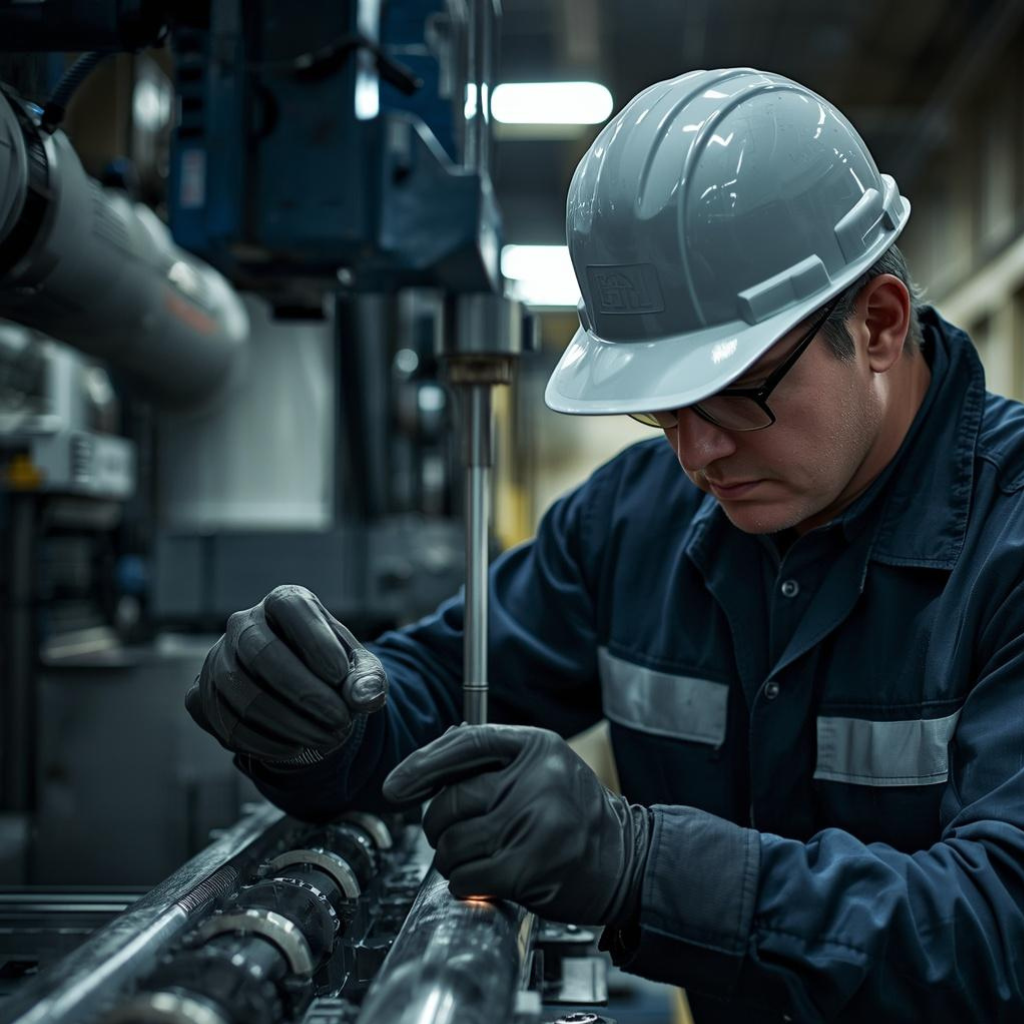
Industrial maintenance used to rely entirely on manual estimates and heavy, cumbersome equipment. Technicians would arrive at a facility, assess a damaged flange or pipe, and spend days setting up the repair process. This traditional approach often led to extended downtime, costing facilities significant revenue and delaying critical production schedules.
The landscape of industrial repairs looks completely different now. Digital tools have brought a new level of precision and speed to the repair process. Technicians can now execute complex cuts and facing operations directly on the plant floor with microscopic accuracy. Software-guided equipment communicates real-time data, ensuring that every cut meets strict engineering tolerances.
For plant managers, understanding these technological shifts is essential for minimizing operational disruptions. Upgrading your maintenance strategy means fewer unexpected failures and a longer lifespan for your infrastructure. This guide explores the specific digital technologies transforming on-site repairs and explains how partnering with modern experts like Sealtec can elevate your facility’s reliability.
Key Takeaways
- Digital automation has drastically reduced the time required for on-site industrial repairs.
- Software-guided equipment ensures higher precision and minimizes the risk of human error during complex machining tasks.
- Working with an Online Industrial Piping Contractor allows facilities to streamline project management and track maintenance progress in real time.
The Shift Toward Smart Equipment
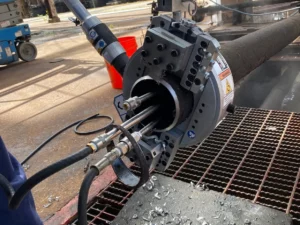
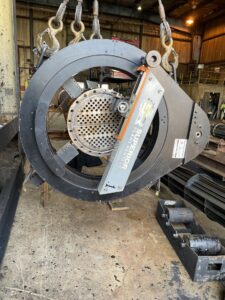
Heavy machinery maintenance has historically been a brute-force endeavor. Workers relied on mechanical measurements and physical templates to guide their cutting tools. If a measurement was slightly off, the entire repair had to be restarted. Digital technology has replaced these outdated methods with smart, sensor-equipped machinery. Modern Field Machining tools utilize computer numerical control (CNC) programming to execute precise movements. These machines read digital blueprints and translate them into exact physical cuts, removing the guesswork from the equation.
Sensors embedded in the cutting equipment monitor temperature, vibration, and cutting speed. If a tool starts to overheat or vibrate excessively, the software automatically adjusts the speed to prevent damage. This continuous feedback loop ensures the tool operates at peak efficiency, extending the life of the cutting inserts and protecting the underlying industrial components.
Real-Time Data and Remote Monitoring
Communication between the job site and the engineering office has also seen a massive upgrade. In the past, field technicians had to halt work to consult with lead engineers over the phone or wait for updated drawings to arrive via courier. Cloud-based platforms now connect the on-site equipment directly to the engineering team.
Faster Decision Making
When a technician encounters an unexpected issue, they can instantly share 3D scans and operational data with remote experts. The engineering team can analyze the digital model, adjust the machining parameters, and push the new instructions directly to the on-site equipment. This seamless exchange of information keeps the project moving and eliminates costly waiting periods.
Predictive Maintenance Integration
The data collected during a repair operation serves a dual purpose. It guides the immediate fix and contributes to the facility’s predictive maintenance program. By analyzing the wear patterns and material conditions recorded by the digital tools, plant managers can accurately predict when a component will need its next service. This proactive approach prevents catastrophic failures and allows facilities to schedule repairs during planned shutdown windows.
Improving Workplace Safety
Safety remains the top priority for any industrial facility. Traditional repair methods often required technicians to work in close proximity to heavy, moving machinery for extended periods. Digital technologies have significantly reduced the physical risks associated with on-site maintenance.
Remote Operation Capabilities
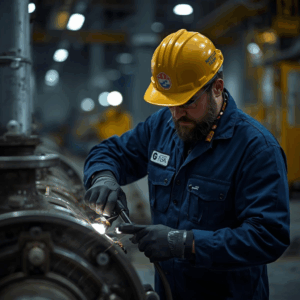
Many modern cutting and facing tools can be operated from a safe distance. Technicians set up the equipment on the damaged pipe or flange, step back to a secure control station, and initiate the machining process using a digital interface. This separation keeps workers away from sharp debris, high-pressure systems, and excessive noise.
Precision Reduces Fatigue
Manual machining demands intense physical labor and constant concentration. As hours pass, technician fatigue sets in, increasing the likelihood of accidents. Automated systems handle the repetitive, strenuous aspects of the job. The equipment maintains the same level of accuracy on the tenth hour of a shift as it does on the first. By reducing the physical toll on workers, facilities foster a safer, more alert working environment.
The Role of an Online Industrial Piping Contractor
Procuring and managing maintenance services used to involve endless phone calls, physical site visits, and mountains of paperwork. Digital platforms have streamlined this entire workflow. Hiring an Online Industrial Piping Contractor gives facility managers access to a centralized dashboard where they can request quotes, schedule services, and monitor project milestones.
This digital-first approach brings transparency to the repair process. You can log into a secure portal and see exactly which technician is assigned to your facility, view their certifications, and track the progress of the Field Machining equipment as it travels to your location. Once the job begins, daily digital reports provide updates on the work completed, keeping all stakeholders informed without requiring constant on-site supervision. Sealtec leverages these digital management tools to provide a seamless, stress-free experience from the initial consultation to the final quality inspection.
Upgrading Your Maintenance Strategy
Industrial facilities cannot afford to rely on outdated repair methods. The integration of smart sensors, CNC automation, and cloud-based project management has established a new standard for on-site maintenance. Adopting these digital solutions will directly improve your plant’s uptime and operational safety.
Start by evaluating your current maintenance workflows. Identify areas where prolonged downtime is affecting your bottom line, and consider how digital tools could accelerate those specific repairs. When you are ready to modernize your approach, contact the experts at Sealtec to discuss how advanced digital machining can protect your critical infrastructure.