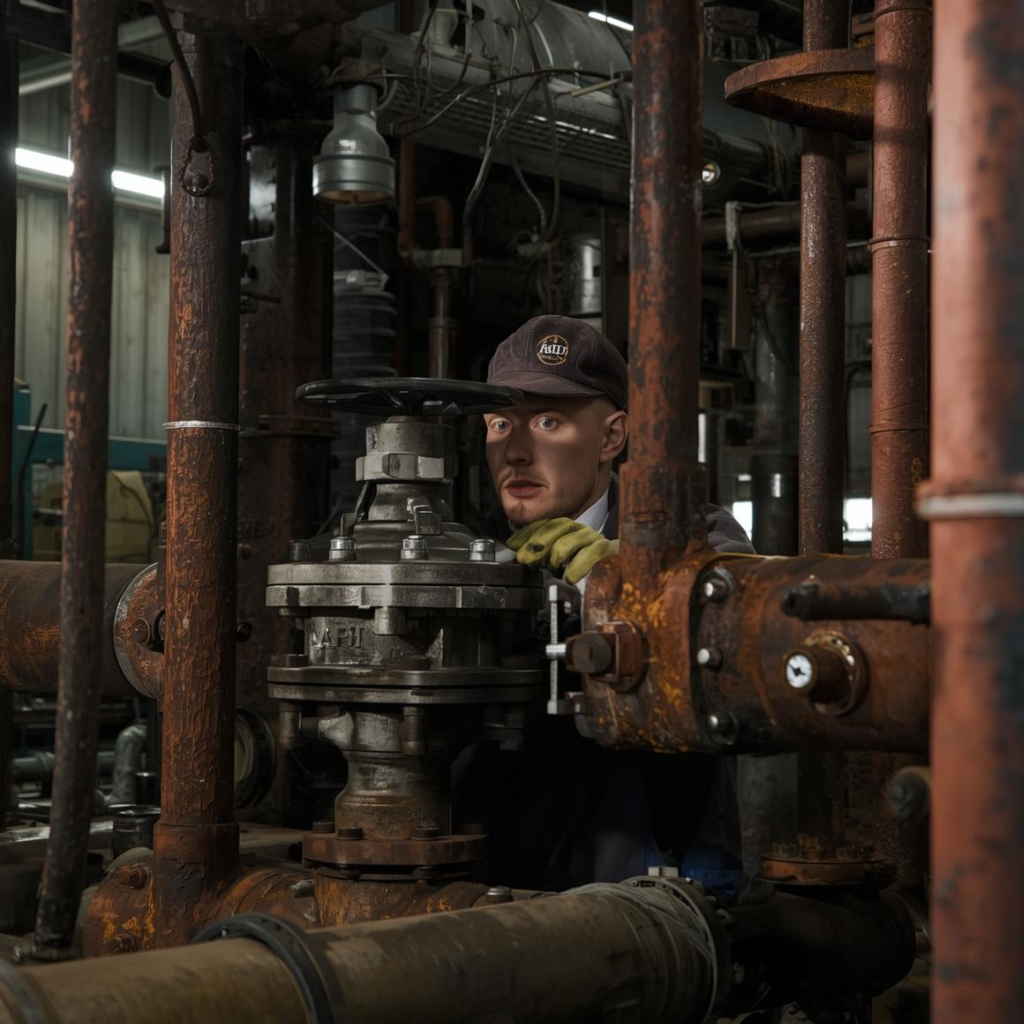
Pipes that corrode silently for years. Valves that fail without warning. Electrical systems that predate modern safety codes. For facility managers, municipalities, and property owners, aging infrastructure isn’t just an inconvenience—it’s a liability that compounds over time.
The American Society of Civil Engineers gave the US infrastructure a C- grade in its 2021 report card, citing decades of deferred maintenance as a primary concern. Across industries, organizations are grappling with the same fundamental challenge: how do you maintain systems that were built for a different era, while keeping costs under control and operations running smoothly?
This post breaks down the most pressing challenges in maintaining aging infrastructure and offers practical guidance on what you can do about them.
Key Takeaways
- Aging infrastructure creates compounding risks—small, neglected issues quickly escalate into expensive, system-wide failures.
- Proactive valve maintenance and routine inspections are among the most cost-effective ways to extend the life of aging systems.
- Partnering with a qualified contractor in Glassboro, NJ gives local businesses and municipalities access to specialized expertise without the overhead of managing it in-house.
Why Aging Infrastructure Is Such a Complex Problem
Most infrastructure was designed with a lifespan in mind. The issue is that many systems built in the mid-20th century are still in active use—well beyond their intended service life. Replacing them wholesale is often impractical, both logistically and financially. So organizations patch, repair, and hope for the best.
This approach works, until it doesn’t.
The complexity of aging systems lies in their interconnectedness. A failing valve in one part of a water distribution network can increase pressure elsewhere, accelerating wear on pipes and fittings that might otherwise have lasted another decade. A single point of failure rarely stays single for long.
Add to this the reality that original blueprints are often incomplete, outdated, or simply unavailable, and maintenance teams are frequently working without a full picture of what they’re dealing with.
The Biggest Challenges Facility Managers Face
Deferred Maintenance Backlogs
Deferred maintenance is the infrastructure equivalent of ignoring a check engine light. Short-term, it saves money. Long-term, it multiplies costs. Studies consistently show that every $1 of deferred maintenance generates $4 to $5 in future repair costs—a return no organization wants.
For municipalities and large facilities, backlogs can stretch into the millions. Prioritizing which systems need attention first requires careful condition assessments, often involving specialized contractors who can identify risk levels and recommend phased repair strategies.
Difficulty Sourcing Replacement Parts
Older infrastructure often relies on equipment that’s been discontinued. Finding compatible replacement parts for a valve or pump installed in 1978 isn’t always straightforward. In some cases, components need to be custom-fabricated, which drives up both cost and lead time.
This parts availability problem is particularly acute for valve maintenance. Valves are critical control points in water, gas, and HVAC systems. When they fail—or when replacement parts are unavailable—operations can grind to a halt quickly.
Skilled Labor Shortages
The workforce that built and maintained mid-century infrastructure is retiring, and the pool of skilled tradespeople qualified to work on legacy systems is shrinking. This isn’t just an inconvenience; it creates genuine safety risks when maintenance is attempted by workers unfamiliar with older system configurations.
Working with experienced local contractors helps bridge this gap. A qualified contractor in Glassboro, NJ, for example, brings region-specific knowledge of local infrastructure, building codes, and environmental conditions—factors that generic, large-scale service providers often overlook.
Regulatory Compliance Pressures
Infrastructure maintenance doesn’t happen in a vacuum. Environmental regulations, safety codes, and accessibility requirements have evolved significantly since many systems were installed. Bringing aging infrastructure into compliance while simultaneously keeping it operational is a balancing act that requires careful planning and expert guidance.
Failure to comply carries consequences ranging from fines to facility shutdowns—outcomes that make proactive investment in maintenance far more attractive than reactive scrambling.
The Role of Valve Maintenance in Infrastructure Longevity
Valve maintenance deserves particular attention because valves are simultaneously among the most critical and most overlooked components in any large infrastructure system.
Valves regulate the flow of water, gas, steam, and other media throughout a facility or network. Over time, seals degrade, actuators corrode, and valve bodies develop leaks. Left unchecked, a single failed valve can cause flooding, pressure loss, contamination, or worse.
A structured valve maintenance program typically includes:
- Regular inspection cycles to identify early signs of wear, corrosion, or seal degradation
- Exercise programs for gate and butterfly valves to prevent them from seizing due to inactivity
- Documentation of valve locations, specifications, and service history
- Replacement protocols for valves that have reached end-of-life
The return on investment for proactive valve programs is substantial. Preventive maintenance costs a fraction of what emergency repairs and unplanned downtime generate—both financially and operationally.
Smart Strategies for Managing Aging Infrastructure
Conduct a Condition Assessment First
Before any maintenance or repair work begins, a thorough condition assessment provides a baseline understanding of what you’re working with. This process identifies which systems are at highest risk, which can be maintained cost-effectively, and which require full replacement.
Condition assessments are best performed by qualified contractors with experience in the specific systems being evaluated. The resulting data informs capital planning, helps prioritize spending, and protects organizations from regulatory surprises.
Prioritize Preventive Over Reactive Maintenance
It’s tempting to wait for a problem to emerge before spending money on maintenance. The math rarely supports that approach. Preventive maintenance programs—particularly for high-risk components like valves, seals, and electrical panels—consistently deliver better outcomes at lower total cost.
Scheduling regular service intervals, training staff to recognize early warning signs, and building relationships with reliable contractors before an emergency arises all contribute to a more resilient infrastructure strategy.
Partner With Local Expertise
National service providers offer scale, but local contractors offer something arguably more valuable: familiarity. A contractor in Glassboro, NJ understands local soil conditions, weather patterns, code requirements, and the specific infrastructure challenges common to the region.
At SEALTEC, our team works closely with facility managers and municipalities across the area to deliver maintenance solutions that account for these local realities. From valve maintenance programs to comprehensive infrastructure assessments, the goal is always the same—extend the life of your systems and reduce your long-term costs.
Plan for Eventual Replacement
Maintenance can extend the life of aging infrastructure, but it can’t extend it indefinitely. A realistic long-term capital plan should include timelines for replacing systems that are approaching the end of their serviceable life. This allows organizations to spread costs over time, apply for relevant grants or financing, and avoid the financial shock of emergency replacements.
Building Infrastructure Resilience for the Long Haul
Aging infrastructure is a challenge that isn’t going away soon. But the organizations that manage it most effectively share a common approach: they stop treating maintenance as a cost center and start treating it as an investment.
Proactive valve maintenance, regular condition assessments, and partnerships with experienced local contractors—like the team at SEALTEC—are the building blocks of a resilient infrastructure strategy. The alternative, waiting for failures to force action, consistently proves more expensive, more disruptive, and more dangerous.
The infrastructure you maintain today determines the operational reliability you’ll have tomorrow. Investing in that relationship, with your systems and with the right service partners, pays dividends for years to come.
Ready to get ahead of your maintenance challenges? Contact SEALTEC today to schedule a consultation with our team.