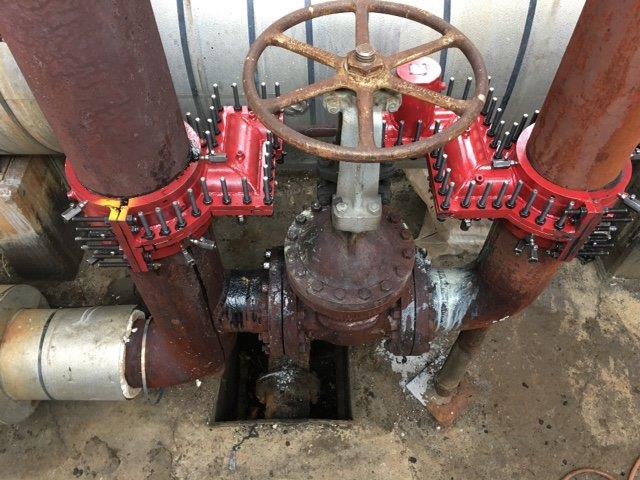
Industrial piping networks are the arteries of modern manufacturing, energy, and chemical processing plants. The integrity of these systems is crucial for operational efficiency, safety, and profitability. Traditional maintenance approaches often rely on reactive fixes or scheduled shutdowns, leading to significant downtime and costs. However, the industry is shifting towards more proactive and technologically advanced strategies. Staying ahead of these changes is essential for any business that depends on reliable piping infrastructure.
This post will explore the key emerging trends in industrial piping maintenance. We will examine how technologies like IoT sensors, predictive analytics, and advanced materials are reshaping how companies approach repairs and upkeep. By understanding these trends, you can implement more effective strategies, minimize disruptions, and gain a competitive edge.
Key Takeaways
- The industrial piping maintenance sector is moving from reactive repairs to proactive and predictive strategies, driven by advanced technologies like IoT and AI.
- On Line Industrial Piping Solutions, such as non-intrusive composite repairs and robotic inspections, are becoming standard practice, allowing for continuous operations and significant cost savings.
- Sustainable materials and practices are gaining prominence, helping companies meet environmental regulations and improve their corporate responsibility profile.
The Shift from Reactive to Predictive Maintenance
For decades, the standard approach to piping maintenance was to “run it until it breaks.” This reactive model, while simple, often resulted in catastrophic failures, unplanned downtime, and hazardous conditions. The subsequent evolution to preventive maintenance, based on fixed schedules, was an improvement but still inefficient. It often led to unnecessary interventions on healthy pipes while failing to catch unexpected issues.
Today, the industry is undergoing a significant transformation powered by digital technology. Predictive maintenance (PdM) represents the new frontier, utilizing data and analytics to forecast potential failures before they occur.
Predictive Analytics and AI
The integration of Artificial Intelligence (AI) and machine learning is at the heart of predictive maintenance. These systems analyze vast amounts of data collected from sensors to identify subtle patterns and anomalies that indicate a potential problem.
For example, an AI algorithm might detect a slight, consistent increase in vibration in a specific section of a pipeline. While this change might be imperceptible to a human operator, the AI can flag it as an early sign of material fatigue or a developing leak. This allows maintenance teams to schedule targeted inspections and repairs, preventing a minor issue from escalating into a major failure. This data-driven approach optimizes resource allocation, reduces maintenance costs, and dramatically improves system reliability.
The Role of the Industrial Internet of Things (IIoT)
Predictive maintenance is made possible by the Industrial Internet of Things (IIoT). This network of interconnected sensors, devices, and software provides the real-time data needed for accurate analysis.
Sensors placed along pipelines can continuously monitor a wide range of parameters, including:
- Pressure and Flow Rates: Deviations can indicate blockages or leaks.
- Temperature: Unusual temperature changes can signal corrosion, friction, or external environmental impacts.
- Vibration and Acoustics: Acoustic sensors can “listen” for the distinct sound signatures of gas or liquid leaks, while vibration analysis helps detect mechanical stress.
- Wall Thickness: Ultrasonic sensors measure pipe wall thickness to track corrosion and erosion over time.
This constant stream of information creates a “digital twin” of the physical piping system—a virtual model that mirrors its real-world condition. By monitoring this digital twin, operators can gain unprecedented insight into the health of their infrastructure without costly and disruptive physical inspections.
The Rise of On Line Industrial Piping Solutions
A major goal of modern maintenance is to keep operations running without interruption. On Line Industrial Piping Solutions are designed to achieve just that, allowing for inspections, repairs, and reinforcements while the system remains in service.
Advanced Composite Repairs
One of the most impactful innovations is the use of advanced composite materials for pipe repair. Instead of shutting down a line to weld a patch or replace a section, technicians can apply high-strength composite wraps to damaged areas. These wraps, often made from carbon fiber or fiberglass impregnated with specialized epoxy resins, cure to form a durable, corrosion-resistant shell that restores the pipe’s structural integrity.
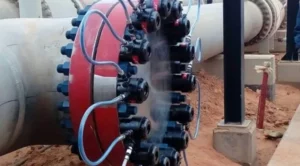
SEALTEC has pioneered these techniques, offering solutions that can be applied to live pipes, even those operating under high pressure and temperature. This approach not only avoids downtime but also provides a long-lasting repair that can extend the service life of aging assets.
Robotics and Drones for Inspection
Inspecting miles of industrial piping, often located in hazardous or hard-to-reach areas, is a formidable challenge. Robotics and drones are transforming this process, making it safer, faster, and more thorough.
- Internal Inspection Robots (Crawlers): These small, remote-controlled robots can travel inside pipelines to conduct visual inspections, measure wall thickness, and detect defects from within.
- External Drones: Drones equipped with high-resolution cameras, thermal imagers, and gas detectors can quickly survey large areas of external piping. They can identify signs of corrosion, insulation damage, and gas leaks from a safe distance, eliminating the need for scaffolding or manual inspections at height.
These robotic solutions provide comprehensive data without requiring system shutdowns, making them a cornerstone of modern On Line Industrial Piping Solutions.
Focus on Sustainability and Greener Materials
As environmental regulations become more stringent and corporate social responsibility grows in importance, the industrial sector is seeking more sustainable maintenance practices. This trend is influencing both the materials used for repairs and the methods employed.
Traditional repair methods like welding generate fumes and require significant energy. In contrast, cold-applied composite repairs have a much smaller environmental footprint. They produce no emissions and require minimal equipment, aligning with corporate goals to reduce carbon output.
Furthermore, there is growing research into developing bio-based resins and more recyclable composite materials. While still in the early stages, the push for greener alternatives is a clear trend that will shape the future of piping maintenance. Companies that adopt these sustainable practices not only comply with regulations but also enhance their brand reputation and appeal to environmentally-conscious investors and customers.
Preparing for the Future of Piping Maintenance
The landscape of industrial piping maintenance is evolving rapidly. The convergence of digital technology, advanced materials, and a focus on sustainability is creating a new paradigm focused on proactive, non-disruptive, and intelligent upkeep. By embracing these trends, organizations can enhance safety, minimize downtime, and secure a long-term competitive advantage.
At SEALTEC, we are committed to providing cutting-edge On Line Industrial Piping Solutions that keep your operations running smoothly and safely. If you’re ready to modernize your maintenance strategy, contact our experts to learn how our advanced composite repair systems and inspection services can benefit your business.