Pipeline maintenance and modification often present a significant challenge: how do you access a system without shutting it down? Interrupting operations can lead to costly downtime, disrupt service, and create logistical nightmares. This is where hot tapping comes in, offering an innovative method for creating a new branch connection on an existing pipeline while it remains active and under pressure.
This process, a cornerstone of on-line industrial piping solutions, relies on specialized hot tapping equipment. Understanding the mechanics of this machinery is crucial for appreciating its safety, efficiency, and versatility. This guide will explore the essential components of hot tapping equipment, explain how they function together, and highlight the critical role this technology plays in modern industry. By the end, you’ll have a clear picture of how hot taps allow for seamless pipeline modifications without interrupting the flow.
Key Takeaways
- What is Hot Tapping? Hot tapping is a method for creating a new connection to an existing pipeline or vessel while it is in service, under pressure, and carrying product. This avoids costly shutdowns and service interruptions.
- Core Components: The process relies on a coordinated system of equipment, including a fitting, a valve, and the hot tapping machine itself, which consists of a boring bar, cutter, and drive mechanism.
- Safety and Precision: Successful hot tapping demands precise engineering, experienced technicians, and strict adherence to safety protocols to manage high pressures and potentially hazardous materials safely.
What Are Hot Taps?
Hot tapping, also known as pressure tapping, is a precise procedure used to tie into a pressurized system. It is a fundamental technique among on-line industrial piping solutions that enables maintenance, repairs, or modifications without decommissioning the pipeline. The process involves drilling or cutting a hole into the pipe and installing a new branch connection, all while the system remains operational.
This method is essential across numerous industries, including oil and gas, petrochemicals, water distribution, and power generation. Whether the goal is to install a new sensor, add a bypass line, or create an access point for inspection, hot taps provide a safe and efficient solution that minimizes operational disruptions.
The Essential Components of Hot Tapping Equipment
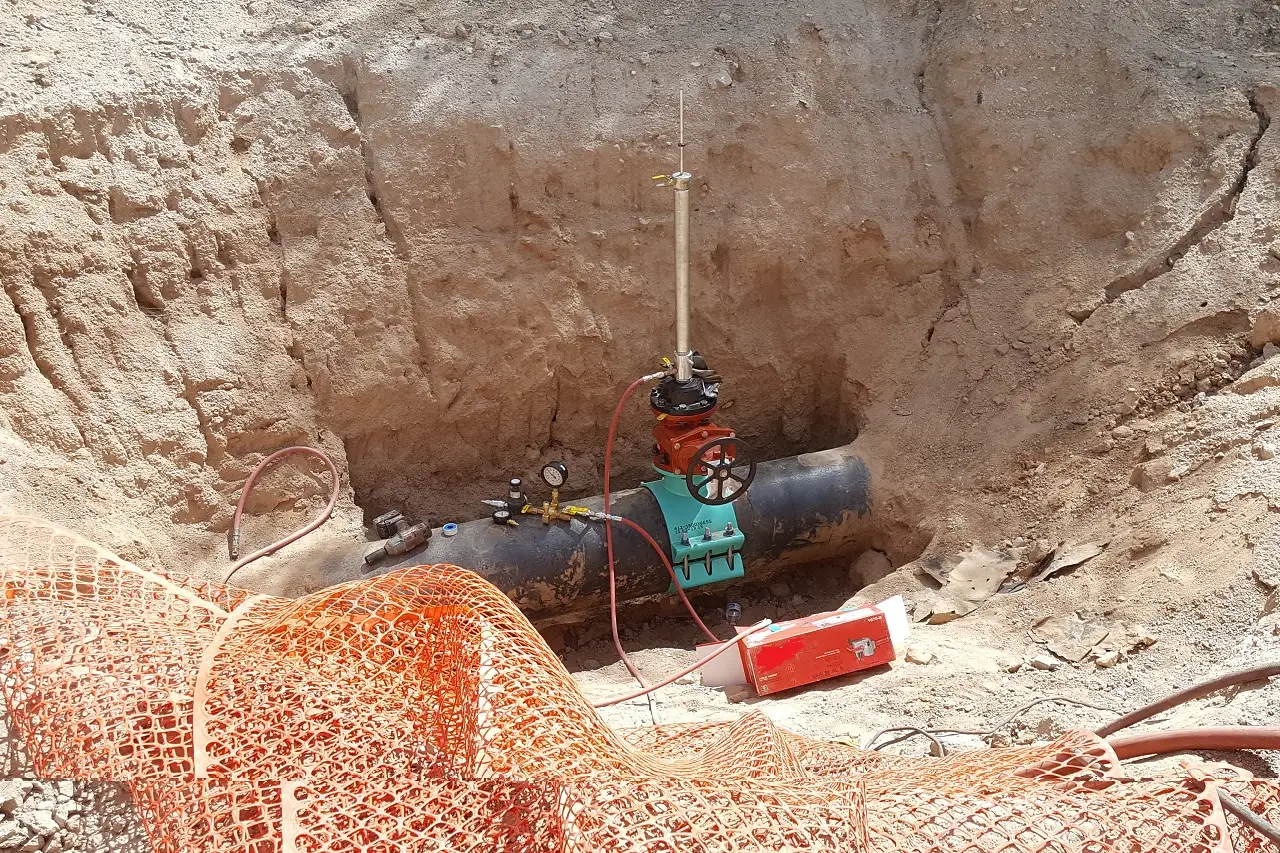
A successful hot tapping operation depends on the seamless integration of three primary components: the fitting, the valve, and the hot tapping machine. Each part has a distinct function, and together they form a contained, pressurized system that ensures safety and precision.
1. The Hot Tap Fitting
The first piece of the puzzle is the fitting. This component is welded or bolted directly onto the exterior of the existing pipeline at the location where the new connection is needed. Its purpose is to create a permanently sealed and reinforced branch outlet.
- Types of Fittings: Fittings come in various designs to suit different pipe materials, pressures, and applications. The most common is a full-encirclement split-sleeve fitting, which wraps completely around the pipe for maximum reinforcement. Other options include weld-o-lets and specially fabricated nozzles.
- Installation: The fitting must be expertly welded to the pipe to form a leak-proof seal capable of withstanding the pipeline’s operating pressure. For materials that cannot be welded, bolted fittings with specialized gaskets are used. The flange on the fitting’s outlet is the connection point for the next component: the valve.
2. The Isolation Valve
Once the fitting is securely in place, an isolation valve is bolted onto its flange. This valve is the gatekeeper of the entire operation, providing crucial flow control.
- Function: The valve remains open during the drilling process, allowing the hot tapping machine’s cutter to pass through and access the pipe wall. After the cut is complete and the machine’s cutter is retracted, the valve is closed to isolate the new branch from the main pipeline. This allows for the safe removal of the hot tapping machine.
- Type of Valve: Full-bore gate or ball valves are typically used because they provide an unobstructed path for the cutter when open. The valve’s pressure rating must match or exceed that of the pipeline to ensure it can safely contain the system’s pressure once the tap is made.
3. The Hot Tapping Machine
The hot tapping machine is the heart of the operation. This specialized piece of equipment is responsible for drilling the hole in the pipeline. It bolts directly onto the isolation valve and consists of several key parts that work in unison.
Boring Bar
The boring bar is a long, rotating shaft that extends from the machine, through the valve, and down to the pipe wall. It holds the cutter and is advanced manually or hydraulically to perform the drilling.
Cutter and Pilot Drill
Attached to the end of the boring bar is the cutter assembly.
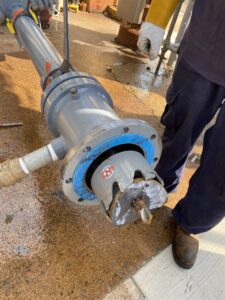
- Pilot Drill: The assembly is led by a pilot drill, which pierces the pipe wall first. The pilot drill helps stabilize the main cutter and allows for the gradual release of pressure. It also features a retaining mechanism (like a U-wire or retaining clips) that securely catches the cut piece of pipe, known as the “coupon,” preventing it from falling into the pipeline and causing damage or obstruction downstream.
- Cutter: The main cutter, which surrounds the pilot drill, is a hole saw designed to cut through the specific material and thickness of the pipe. The size of the cutter is selected to match the desired diameter of the new branch connection.
Drive Mechanism
The power to rotate the boring bar and cutter comes from a drive mechanism. This can be a hydraulic, pneumatic, or electric motor, chosen based on the job requirements and site conditions. The drive provides the necessary torque to cut through materials ranging from carbon steel to concrete.
The Hot Tapping Process: A Step-by-Step Mechanical Breakdown
With the equipment in place, the mechanical process unfolds with precision.
- Assembly and Pressure Test: The fitting is welded to the pipe, the valve is bolted on, and the hot tapping machine is mounted to the valve. The entire assembly is then pressure-tested using an external source to ensure all seals are secure before cutting into the live line.
- Advancing the Cutter: With the valve open, the operator advances the boring bar until the pilot drill makes contact with the pipe.
- Making the Cut: The drive motor is engaged, and the cutter begins to rotate. The operator slowly and carefully advances the boring bar, allowing the pilot drill to penetrate the pipe wall first. Once the pilot is through, the main cutter engages and begins sawing the coupon. The speed of rotation and rate of advancement are carefully controlled to ensure a clean, smooth cut.
- Coupon Retention and Retraction: After the cutter has completely severed the coupon from the pipe wall, the retaining mechanism on the pilot drill secures it. The operator then retracts the boring bar, pulling the cutter and the captured coupon back through the valve.
- Isolation and Removal: Once the cutter assembly is fully retracted past the valve gate, the operator closes the valve, isolating the new branch from the main pipeline. The pressure within the hot tapping machine is safely bled off, and the machine can be unbolted and removed.
The new branch connection is now live and ready for the new pipeline to be tied in.
SEALTEC: Your Partner in Advanced Piping Solutions
The mechanics of hot tapping equipment showcase a blend of robust engineering and intricate design. Each component plays a vital role in ensuring a safe, controlled, and efficient operation. By allowing modifications to be made on live systems, hot taps represent one of the most valuable on-line industrial piping solutions available today. This technology saves companies immense time and resources, preventing costly shutdowns while maintaining the integrity and safety of their critical infrastructure.
At SEALTEC, we specialize in providing expert hot tapping and other on-line piping solutions. Our experienced technicians and state-of-the-art equipment ensure that every project is executed with the highest standards of safety and precision. If you’re facing a pipeline challenge that requires a seamless connection without shutdown, contact SEALTEC to learn how our hot tap services can benefit your operations.